Dark Balsamic Vinegar
Auto-generated content. This description was generated automatically and is pending editorial review. Inaccuracies are possible. Found a mistake? Contact us.
What it is
Dark balsamic vinegar is a type of vinegar made from grape must (crushed grapes, including juice, skin, and seeds). It is traditionally produced in the Modena and Reggio Emilia regions of Italy, aged for at least 12 years in wooden barrels. This aging process gives it a dark color, rich flavor, and syrupy consistency.
Why it's used
Manufacturers use dark balsamic vinegar primarily as a flavoring agent, adding a sweet and tangy taste to foods. Its complex flavor profile makes it suitable for a wide range of products, including salad dressings, marinades, sauces, and glazes.
Health notes
Dark balsamic vinegar is generally recognized as safe (GRAS) by the FDA for use as a food ingredient. It is a traditional food product with a long history of consumption. International bodies like JECFA have evaluated vinegar and its components. While generally considered safe, its sugar content means typical intake should be considered within a balanced diet.
Allergen info
Dark balsamic vinegar is not derived from any of the nine FDA major allergens. It does not contain gluten.
Products containing Dark Balsamic Vinegar
Compare products →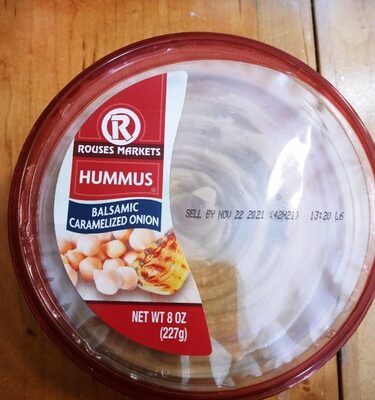 Rouse's Enterprises, Inc.
Balsamic Caramelized Onion Hummus, Balsamic Caramelized Onion
214kcal
3.6Protein
16.1Fat
14.3Carbs
Rouse's Enterprises, Inc.
Balsamic Caramelized Onion Hummus, Balsamic Caramelized Onion
214kcal
3.6Protein
16.1Fat
14.3Carbs
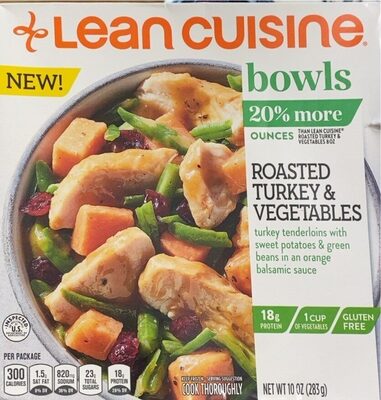 Nestle Usa-Frozen Food Division
Lean Cuisine Roasted Turkey & Vegetables Bowls, 10 Oz
High in sodium — 36% DV per serving
High in added sugars — 24% DV per serving
106kcal
6.4Protein
2.8Fat
13.4Carbs
Nestle Usa-Frozen Food Division
Stouffer's Bowl-Fulls Spicy Italian Sausage Bowl, 14 Oz
High in sodium — 55% DV per serving
High in saturated fat — 60% DV per serving
167kcal
5.8Protein
8.8Fat
15.9Carbs
Nestle Usa-Frozen Food Division
Lean Cuisine Roasted Turkey & Vegetables Bowls, 10 Oz
High in sodium — 36% DV per serving
High in added sugars — 24% DV per serving
106kcal
6.4Protein
2.8Fat
13.4Carbs
Nestle Usa-Frozen Food Division
Stouffer's Bowl-Fulls Spicy Italian Sausage Bowl, 14 Oz
High in sodium — 55% DV per serving
High in saturated fat — 60% DV per serving
167kcal
5.8Protein
8.8Fat
15.9Carbs
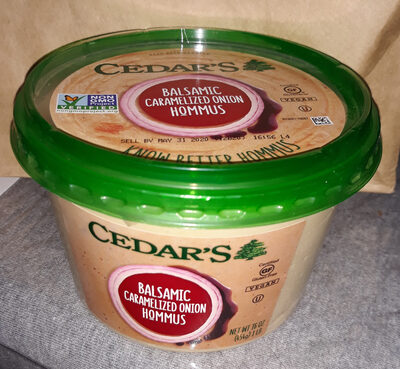 Cedar's Mediterranean Foods, Inc.
Balsamic Caramelized Onion Hommus, Onion
214kcal
3.6Protein
16.1Fat
14.3Carbs
Cedar's Mediterranean Foods, Inc.
Balsamic Caramelized Onion Hommus, Onion
214kcal
3.6Protein
16.1Fat
14.3Carbs
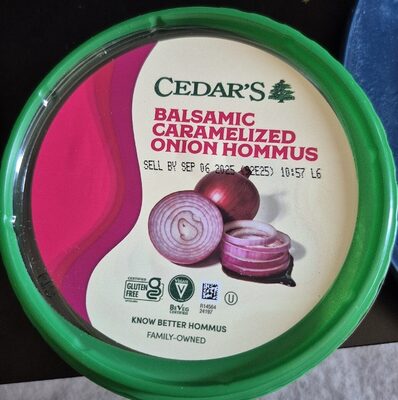 Cedar's Mediterranean Foods, Inc.
Balsamic Caramelized Onion Hommus, Balsamic Caramelized Onion
214kcal
3.6Protein
16.1Fat
14.3Carbs
Cedar's Mediterranean Foods, Inc.
Balsamic Caramelized Onion Hommus, Balsamic Caramelized Onion
214kcal
3.6Protein
16.1Fat
14.3Carbs