Dark Chocolatey Coating
What is Dark Chocolatey Coating?
Dark chocolatey coating is a processed food product designed to resemble dark chocolate, typically used as an outer layer. It is generally made from cocoa powder or chocolate liquor, sweeteners (like sugar), and fats (often vegetable oils).
Is Dark Chocolatey Coating vegan?
No. Dark Chocolatey Coating is animal-derived, so it is not vegan.
Is Dark Chocolatey Coating a major allergen?
Dark chocolatey coatings often contain milk and soy ingredients.
What is Dark Chocolatey Coating used for?
Manufacturers use dark chocolatey coating to add flavor, texture, and an appealing appearance to various food items.
Is Dark Chocolatey Coating safe?
As a composite food, dark chocolatey coating does not have a single regulatory status.
Why it's used
Manufacturers use dark chocolatey coating to add flavor, texture, and an appealing appearance to various food items. It is commonly found on frozen desserts, candy bars, and snack products.
Health notes
As a composite food, dark chocolatey coating does not have a single regulatory status. Its individual components are regulated by the FDA. These coatings are typically high in added sugars and fats. The 2025-2030 Dietary Guidelines for Americans recommend no amount of added sugars and advise keeping saturated fat intake under 10% of daily calories. JECFA and EFSA evaluate individual food additives, not composite food products like this coating.
Allergen info
Dark chocolatey coatings often contain milk and soy ingredients. Milk and soy are among the nine major food allergens identified by the FDA. It may also be produced on equipment that processes tree nuts or peanuts, leading to potential cross-contamination.
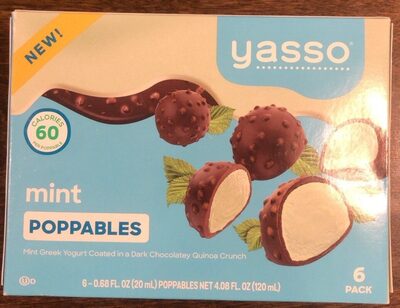
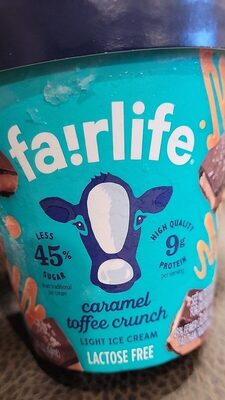
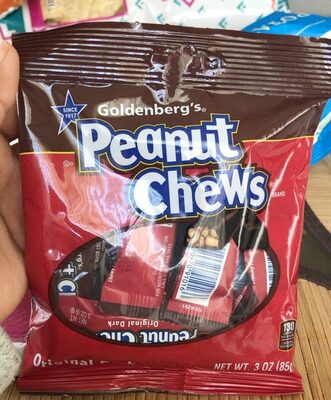
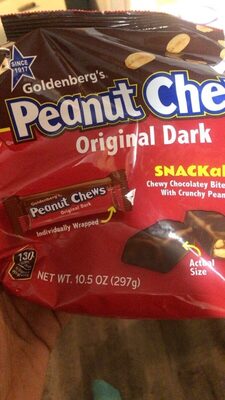
Foods that contain Dark Chocolatey Coating
Compare products →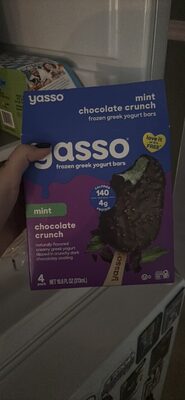
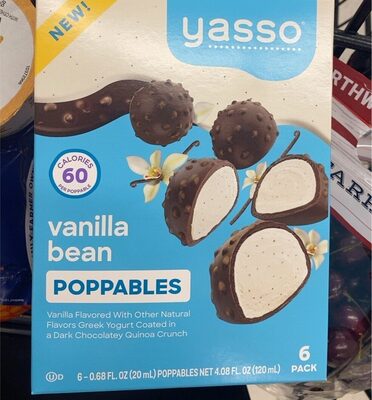
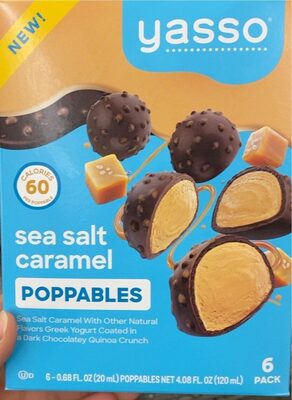
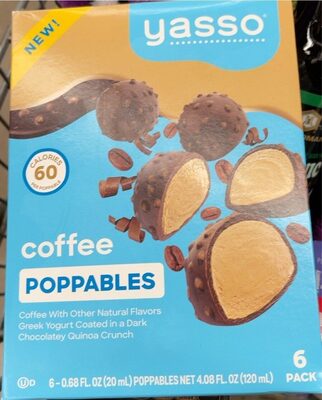
Auto-generated content. This description was generated automatically and is pending editorial review. Inaccuracies are possible. Found a mistake? Contact us.