Decaffeinated Tea
What is Decaffeinated Tea?
Decaffeinated tea is made from the leaves of the Camellia sinensis plant, the same plant used for regular tea. The decaffeination process removes most of the caffeine, typically using water, carbon dioxide, or organic solvents. The resulting tea retains many of the natural compounds found in regular tea.
Is Decaffeinated Tea vegan?
Decaffeinated Tea is not animal-derived. Products that contain it can still include other animal-derived ingredients, so check the full ingredient list.
Is Decaffeinated Tea gluten-free?
It does not contain gluten.
Is Decaffeinated Tea a major allergen?
Decaffeinated tea is not derived from any of the nine major allergens.
What is Decaffeinated Tea used for?
Decaffeinated tea is used to provide tea flavor and color in beverages without the stimulating effects of caffeine.
Is Decaffeinated Tea safe?
Decaffeinated tea is generally recognized as safe (GRAS) by the FDA for use in food.
Why it's used
Decaffeinated tea is used to provide tea flavor and color in beverages without the stimulating effects of caffeine. It is commonly found in bottled and iced teas, as well as in tea-based drinks and some flavored beverages. Manufacturers use it to appeal to consumers seeking the taste of tea but wanting to limit caffeine intake.
Health notes
Decaffeinated tea is generally recognized as safe (GRAS) by the FDA for use in food. Regulatory bodies like the European Food Safety Authority (EFSA) have evaluated decaffeinated tea and its components. While decaffeination removes most caffeine, small amounts may remain. The health effects of consuming decaffeinated tea at typical levels are considered similar to those of regular tea, with potential benefits from antioxidants, though research is ongoing.
Allergen info
Decaffeinated tea is not derived from any of the nine major allergens. It does not contain gluten.
Foods that contain Decaffeinated Tea
Compare products →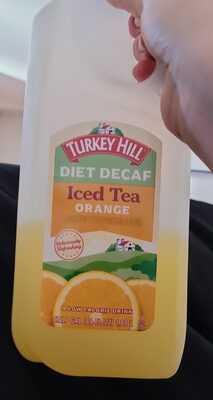
Auto-generated content. This description was generated automatically and is pending editorial review. Inaccuracies are possible. Found a mistake? Contact us.