Auto-generated content.
This description was generated automatically and is pending editorial review.
Inaccuracies are possible. Found a mistake? Contact us.
Source
Not animal-derived
Allergen
No
Role in food
Dehydrated horseradish is primarily used to add a pungent, spicy flavor to foods. It …
What it is
Dehydrated horseradish is made from the root of the *Armoracia rusticana* plant, which is native to parts of Europe and Asia. The root is cleaned, peeled, and then dried, often through methods like air-drying or freeze-drying, to preserve it and concentrate its flavor.
Why it's used
Dehydrated horseradish is primarily used to add a pungent, spicy flavor to foods. It is a key ingredient in horseradish sauces and is also found in condiments like mustard, ketchup, and salad dressings, especially those with a zesty or savory profile.
Health notes
Horseradish is generally recognized as safe (GRAS) by the FDA for use as a food ingredient. It contains compounds like glucosinolates, which are also found in other cruciferous vegetables. JECFA has evaluated horseradish and established an acceptable daily intake. Evidence on the health effects of horseradish consumption at typical dietary levels is limited, and it is not typically associated with adverse health effects.
Allergen info
Horseradish is not one of the nine major allergens identified by the FDA. It does not contain gluten.
Note:
This site presents label data from USDA FoodData Central for general information. It is not medical advice.
Check the package label; formulations change.
 Finesse Records
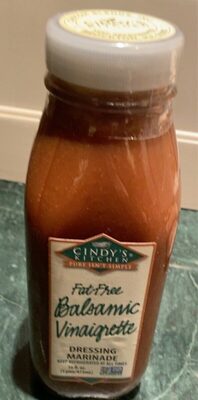
Balsamic Fat Free Skinny Vinaigrette, Balsamic Fat Free Skinny
50kcal
0Protein
0Fat
13.3Carbs
Finesse Records
Balsamic Fat Free Skinny Vinaigrette, Balsamic Fat Free Skinny
50kcal
0Protein
0Fat
13.3Carbs