Dehydrated Leek
What is Dehydrated Leek?
Dehydrated leek is a dried form of the leek vegetable, which is related to onions and garlic. Leeks are typically grown in temperate climates and are processed by removing moisture through dehydration, often using air drying or freeze-drying methods.
Is Dehydrated Leek vegan?
Dehydrated Leek is not animal-derived. Products that contain it can still include other animal-derived ingredients, so check the full ingredient list.
Is Dehydrated Leek gluten-free?
They do not contain gluten.
Is Dehydrated Leek a major allergen?
Leeks are not one of the nine FDA major allergens.
What is Dehydrated Leek used for?
Dehydrated leeks are used as a flavoring ingredient in a variety of savory foods.
Is Dehydrated Leek safe?
Dehydrated leek is generally recognized as safe (GRAS) by the FDA for use as a food ingredient.
Why it's used
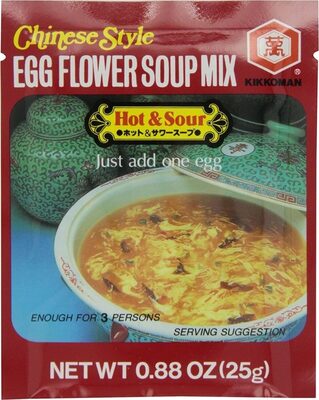
Dehydrated leeks are used as a flavoring ingredient in a variety of savory foods. They provide a mild onion-like taste and aroma, and are commonly found in soup mixes, spice blends, sauces, and prepared meals.
Health notes
Dehydrated leek is generally recognized as safe (GRAS) by the FDA for use as a food ingredient. It is a source of fiber and some vitamins and minerals. Regulatory bodies like JECFA and EFSA have evaluated many food ingredients, but specific evaluations for dehydrated leek are not widely publicized. At typical consumption levels, it is not associated with adverse health effects.
Allergen info
Leeks are not one of the nine FDA major allergens. They do not contain gluten.
Foods that contain Dehydrated Leek
Compare products →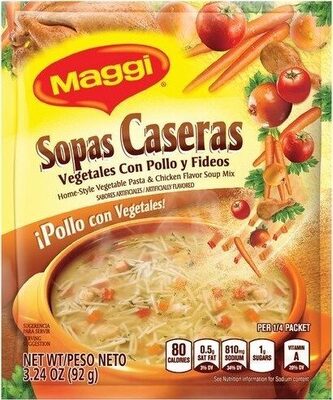
Auto-generated content. This description was generated automatically and is pending editorial review. Inaccuracies are possible. Found a mistake? Contact us.