Dehydrated Red Pepper
What is Dehydrated Red Pepper?
Dehydrated red pepper is made from ripe red peppers that have had most of their water removed. This process concentrates their flavor and extends their shelf life. The peppers are typically dried using air or oven drying methods.
Is Dehydrated Red Pepper vegan?
Dehydrated Red Pepper is not animal-derived. Products that contain it can still include other animal-derived ingredients, so check the full ingredient list.
Is Dehydrated Red Pepper gluten-free?
Gluten is not present.
Is Dehydrated Red Pepper a major allergen?
Not a major allergen.
What is Dehydrated Red Pepper used for?
Dehydrated red pepper is used to add a mild, sweet pepper flavor and color to foods.
Is Dehydrated Red Pepper safe?
Dehydrated red pepper is generally recognized as safe (GRAS) by the FDA for use as a food ingredient.
Why it's used
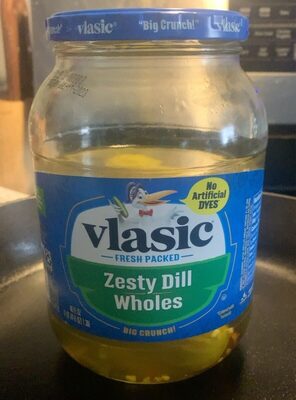
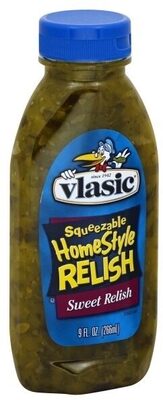
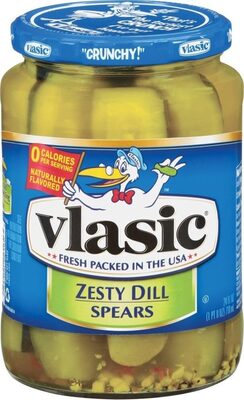
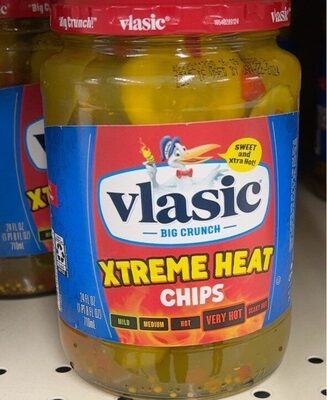
Dehydrated red pepper is used to add a mild, sweet pepper flavor and color to foods. It is commonly found in seasoning mixes, spice blends, sauces, marinades, and processed snacks. It can also be rehydrated and used in various dishes.
Health notes
Dehydrated red pepper is generally recognized as safe (GRAS) by the FDA for use as a food ingredient. It is a source of vitamins and antioxidants. International bodies like JECFA have evaluated it, and it is considered safe at typical consumption levels. No significant health controversies are associated with its use.
Allergen info
Not a major allergen. Peppers are botanically fruits and are not among the nine major allergens recognized by the FDA. Gluten is not present.
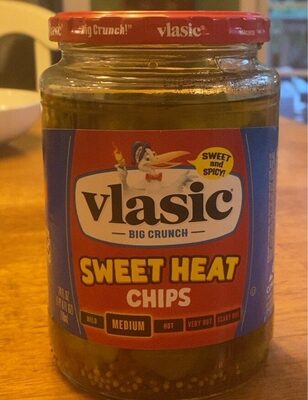
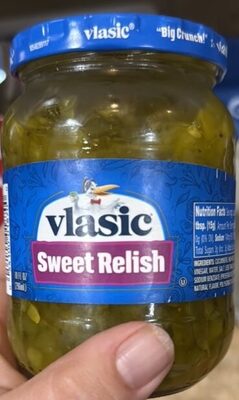
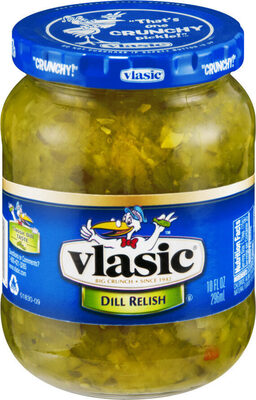
Foods that contain Dehydrated Red Pepper
Compare products →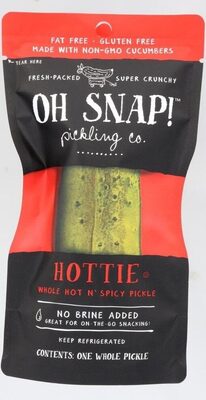
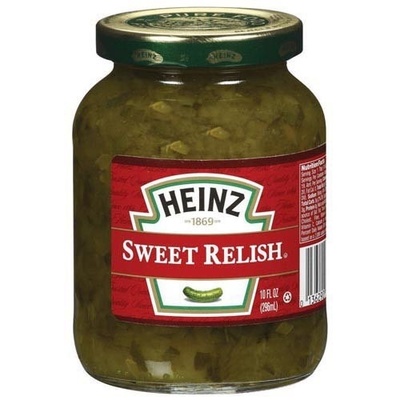
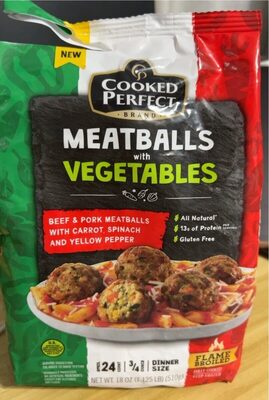
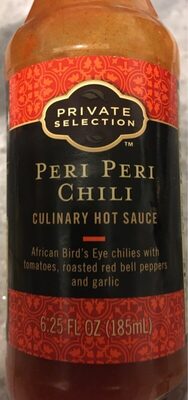
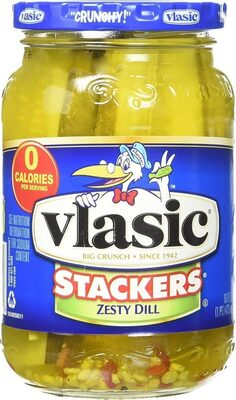
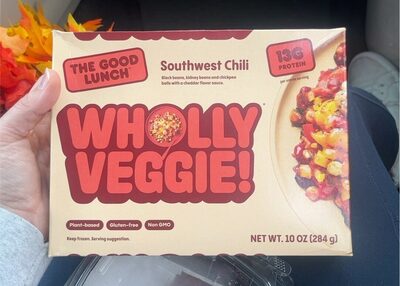
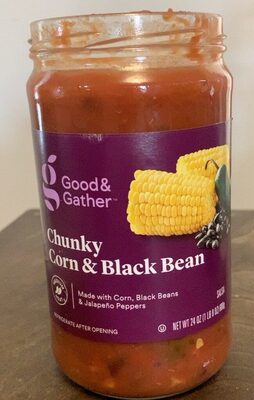
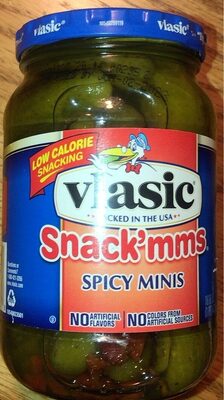
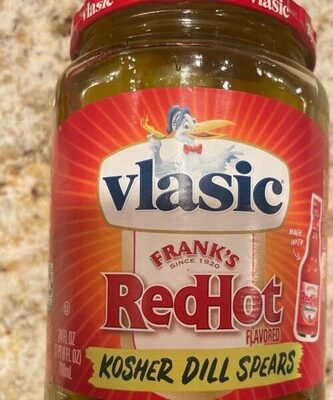
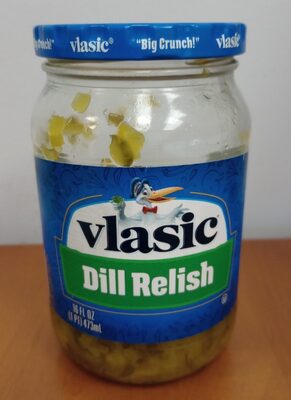
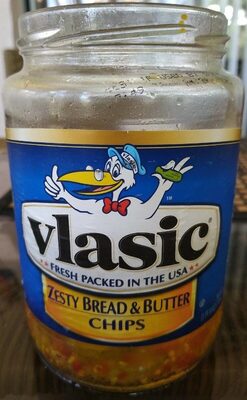
Auto-generated content. This description was generated automatically and is pending editorial review. Inaccuracies are possible. Found a mistake? Contact us.