Dehydrated Soy Paste
What is Dehydrated Soy Paste?
Dehydrated soy paste is made from soybeans that have been cooked, mashed into a paste, and then dried. This process concentrates the flavor and nutrients of the soybeans. It is often used as a base for savory products.
Is Dehydrated Soy Paste vegan?
Dehydrated Soy Paste is not animal-derived. Products that contain it can still include other animal-derived ingredients, so check the full ingredient list.
Is Dehydrated Soy Paste a major allergen?
Soy is one of the 9 FDA major allergens.
What is Dehydrated Soy Paste used for?
Manufacturers use dehydrated soy paste to add a savory, umami flavor and a protein boost to foods.
Is Dehydrated Soy Paste safe?
Dehydrated soy paste is generally recognized as safe (GRAS) by the FDA when used as a food ingredient.
Why it's used
Manufacturers use dehydrated soy paste to add a savory, umami flavor and a protein boost to foods. It is commonly found in soups, broths, and meat alternatives. Its concentrated form makes it a convenient ingredient for adding depth to dishes.
Health notes
Dehydrated soy paste is generally recognized as safe (GRAS) by the FDA when used as a food ingredient. Soybeans are a source of protein and isoflavones, which have been studied for various health effects. Regulatory bodies like JECFA and EFSA have evaluated soy products, but specific evaluations for dehydrated soy paste are not widely published. As with many foods, moderation is generally advised.
Allergen info
Soy is one of the 9 FDA major allergens. This ingredient is derived from soy.
Foods that contain Dehydrated Soy Paste
Compare products →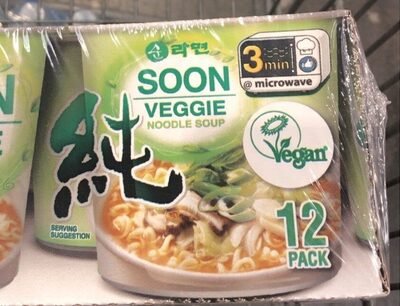 Nong Shim Co., Ltd.
Soon Veggie Noodle Soup, Soon Veggie
High in sodium — 57% DV per serving
High in saturated fat — 35% DV per serving
453kcal
8Protein
21.3Fat
57.3Carbs
Nong Shim Co., Ltd.
Soon Veggie Noodle Soup, Soon Veggie
High in sodium — 57% DV per serving
High in saturated fat — 35% DV per serving
453kcal
8Protein
21.3Fat
57.3Carbs
 Nong Shim Co., Ltd.
Soon Veggie Noodle Soup
High in sodium — 57% DV per serving
High in saturated fat — 35% DV per serving
453kcal
8Protein
21.3Fat
57.3Carbs
Nong Shim Co., Ltd.
Soon Veggie Noodle Soup
High in sodium — 57% DV per serving
High in saturated fat — 35% DV per serving
453kcal
8Protein
21.3Fat
57.3Carbs
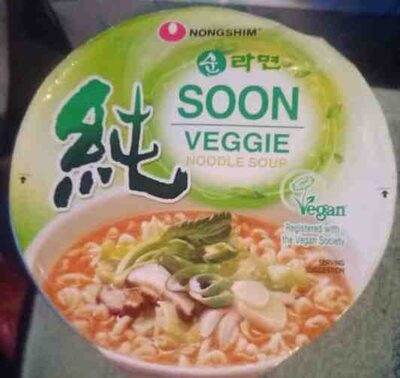 Nong Shim Co., Ltd.
Soon Veggie Noodle Soup, Soon Veggie
High in sodium — 57% DV per serving
High in saturated fat — 25% DV per serving
100kcal
8Protein
13.3Fat
66.7Carbs
Nong Shim Co., Ltd.
Soon Veggie Noodle Soup, Soon Veggie
High in sodium — 57% DV per serving
High in saturated fat — 25% DV per serving
100kcal
8Protein
13.3Fat
66.7Carbs
Learn more
Auto-generated content. This description was generated automatically and is pending editorial review. Inaccuracies are possible. Found a mistake? Contact us.