Dehyrated Garlic
What is Dehyrated Garlic?
Dehydrated garlic is garlic that has had most of its water removed through drying. This process concentrates its flavor and extends its shelf life. It is used in place of fresh garlic in many recipes.
Is Dehyrated Garlic vegan?
Dehyrated Garlic is not animal-derived. Products that contain it can still include other animal-derived ingredients, so check the full ingredient list.
Is Dehyrated Garlic gluten-free?
It does not contain gluten.
Is Dehyrated Garlic a major allergen?
Garlic is not one of the 9 FDA major allergens.
What is Dehyrated Garlic used for?
Manufacturers add dehydrated garlic to provide a strong garlic flavor to a wide variety of foods.
Is Dehyrated Garlic safe?
Dehydrated garlic is generally recognized as safe (GRAS) by the FDA for use in food.
Why it's used
Manufacturers add dehydrated garlic to provide a strong garlic flavor to a wide variety of foods. It is commonly found in spice blends, sauces, marinades, processed meats, and snack foods like chips and crackers.
Health notes
Dehydrated garlic is generally recognized as safe (GRAS) by the FDA for use in food. It is a common ingredient and is consumed in typical amounts without known adverse health effects. JECFA has evaluated garlic and its preparations, but no specific numeric limits were set. There are no significant controversies regarding its safety in food.
Allergen info
Garlic is not one of the 9 FDA major allergens. It does not contain gluten.
Foods that contain Dehyrated Garlic
Compare products →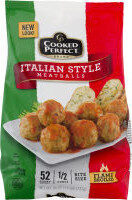
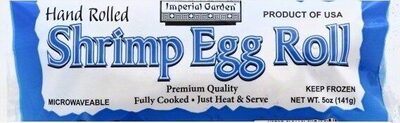
Learn more
Auto-generated content. This description was generated automatically and is pending editorial review. Inaccuracies are possible. Found a mistake? Contact us.