Diacetyl Tartaric Acid Of Ester Of Mono And Diglycerides
What is Diacetyl Tartaric Acid Of Ester Of Mono And Diglycerides?
Diacetyl tartaric acid esters of mono- and diglycerides (DATEM) are a food additive made from the reaction of mono- and diglycerides with tartaric acid and acetic anhydride. Mono- and diglycerides are typically derived from vegetable oils, though they can also come from animal fats.
Is Diacetyl Tartaric Acid Of Ester Of Mono And Diglycerides gluten-free?
It does not contain gluten.
Is Diacetyl Tartaric Acid Of Ester Of Mono And Diglycerides a major allergen?
DATEM is not derived from any of the nine major allergens recognized by the FDA.
What is Diacetyl Tartaric Acid Of Ester Of Mono And Diglycerides used for?
DATEM is primarily used as an emulsifier and dough conditioner in baked goods.
Is Diacetyl Tartaric Acid Of Ester Of Mono And Diglycerides safe?
In the United States, DATEM is generally recognized as safe (GRAS) by the FDA for use as an emulsifier.
Why it's used
DATEM is primarily used as an emulsifier and dough conditioner in baked goods. It helps to improve dough strength, volume, and texture, and can also stabilize emulsions in other food products.
Health notes
In the United States, DATEM is generally recognized as safe (GRAS) by the FDA for use as an emulsifier. International bodies like the Joint FAO/WHO Expert Committee on Food Additives (JECFA) have evaluated DATEM and established acceptable daily intake levels. Studies on DATEM have generally found no adverse health effects at typical consumption levels.
Allergen info
DATEM is not derived from any of the nine major allergens recognized by the FDA. It does not contain gluten.
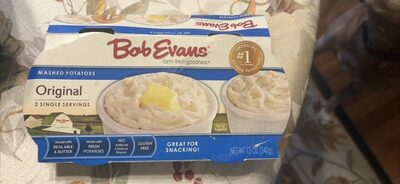
Foods that contain Diacetyl Tartaric Acid Of Ester Of Mono And Diglycerides
Compare products →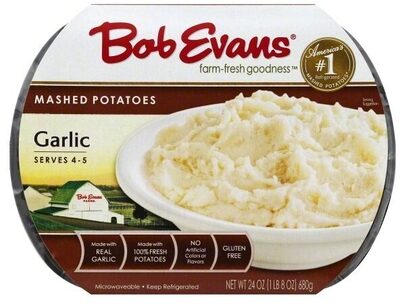
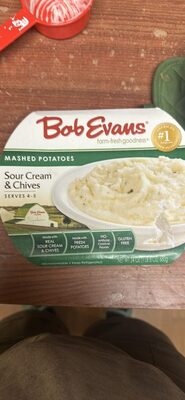

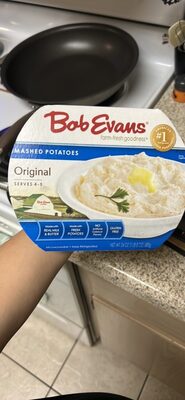
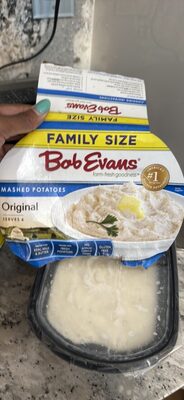
Learn more
Auto-generated content. This description was generated automatically and is pending editorial review. Inaccuracies are possible. Found a mistake? Contact us.