Diammonium Phosphate
What is Diammonium Phosphate?
Diammonium phosphate is a salt made from ammonia and phosphoric acid. It is a white crystalline powder that dissolves in water. It is produced industrially for use in food.
Is Diammonium Phosphate vegan?
Diammonium Phosphate is not animal-derived. Products that contain it can still include other animal-derived ingredients, so check the full ingredient list.
Is Diammonium Phosphate gluten-free?
It does not contain gluten.
Is Diammonium Phosphate a major allergen?
Not a major allergen.
What is Diammonium Phosphate used for?
Diammonium phosphate is used as a dough conditioner and leavening agent in baked goods.
Is Diammonium Phosphate safe?
Diammonium phosphate is generally recognized as safe (GRAS) by the FDA for use in food.
Why it's used
Diammonium phosphate is used as a dough conditioner and leavening agent in baked goods. It helps yeast produce carbon dioxide, making bread and cakes rise. It is often found in cakes, cupcakes, snack cakes, and frozen dough.
Health notes
Diammonium phosphate is generally recognized as safe (GRAS) by the FDA for use in food. It is a source of phosphorus and nitrogen, which are essential nutrients. International bodies like JECFA have evaluated it. It is not associated with significant health concerns when consumed at typical levels found in food.
Allergen info
Not a major allergen. It does not contain gluten.
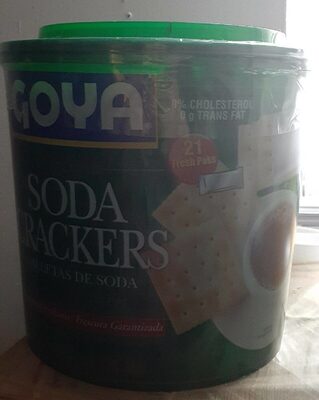
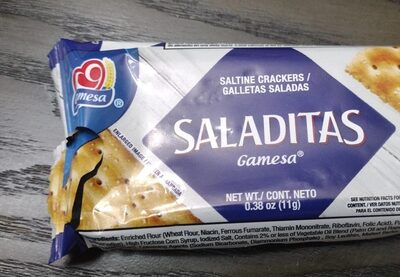
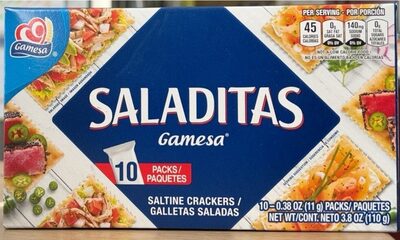
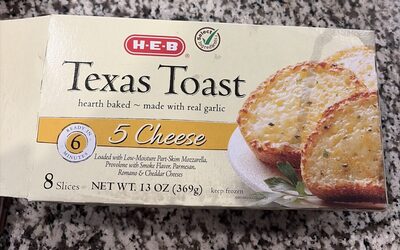
Foods that contain Diammonium Phosphate
Compare products →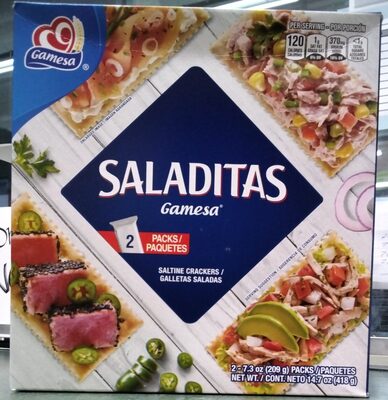
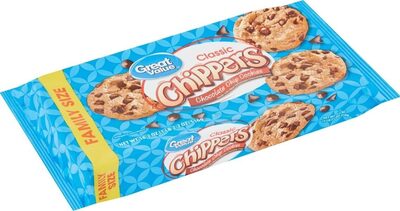
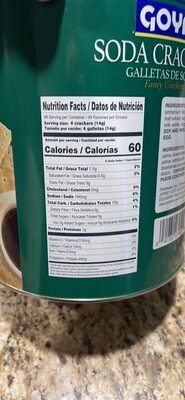
Auto-generated content. This description was generated automatically and is pending editorial review. Inaccuracies are possible. Found a mistake? Contact us.