Digestion Resistant Maltodextrin
What is Digestion Resistant Maltodextrin?
Digestion resistant maltodextrin is a type of soluble fiber made from corn starch. It is produced by a process that modifies the starch to make it more resistant to digestion in the small intestine.
Is Digestion Resistant Maltodextrin vegan?
Digestion Resistant Maltodextrin is not animal-derived. Products that contain it can still include other animal-derived ingredients, so check the full ingredient list.
Is Digestion Resistant Maltodextrin gluten-free?
It does not contain gluten.
Is Digestion Resistant Maltodextrin a major allergen?
Not a major allergen.
What is Digestion Resistant Maltodextrin used for?
Manufacturers add it to foods as a source of dietary fiber and to improve texture.
Is Digestion Resistant Maltodextrin safe?
In the US, digestion resistant maltodextrin is generally recognized as safe (GRAS) by the FDA for use in food.
Why it's used
Manufacturers add it to foods as a source of dietary fiber and to improve texture. It can be found in products like snack bars, baked goods, and beverages.
Health notes
In the US, digestion resistant maltodextrin is generally recognized as safe (GRAS) by the FDA for use in food. It is considered a prebiotic fiber, meaning it can feed beneficial bacteria in the gut. Regulatory bodies like JECFA and EFSA have evaluated similar fibers. Some studies suggest it may help with blood sugar control and digestive health, but more research is ongoing.
Allergen info
Not a major allergen. It is derived from corn, which is not one of the nine major allergens. It does not contain gluten.
Foods that contain Digestion Resistant Maltodextrin
Compare products →

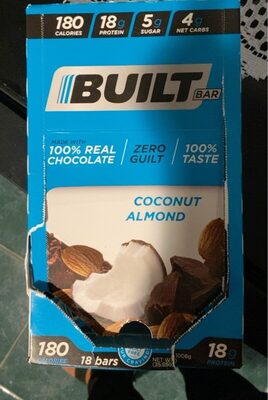
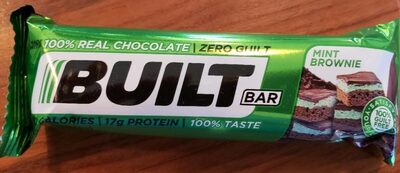


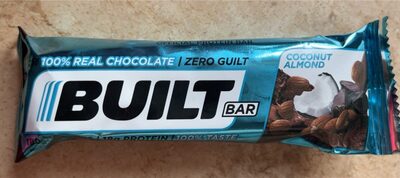






Auto-generated content. This description was generated automatically and is pending editorial review. Inaccuracies are possible. Found a mistake? Contact us.