Dillweed
Auto-generated content. This description was generated automatically and is pending editorial review. Inaccuracies are possible. Found a mistake? Contact us.
What it is
Dillweed is the dried leaves of the dill plant, an herb native to the Mediterranean and southwestern Asia. It has a distinct, slightly sweet, grassy, and anise-like flavor. The leaves are typically harvested and dried for use as a spice.
Why it's used
Dillweed is primarily used to add a fresh, herbaceous flavor to foods. Manufacturers add it to seasoning mixes, marinades, sauces, dips, and baked goods like breads and crackers. It is also commonly found in salt blends and spice rubs.
Health notes
Dillweed is generally recognized as safe (GRAS) by the FDA when used as a spice or flavoring. It is not typically evaluated by bodies like JECFA or EFSA as it is considered a food ingredient rather than a food additive. At the levels found in food, dillweed is not associated with adverse health effects. There is ongoing research into the potential health benefits of compounds found in dill, such as antioxidants, but these are not typically linked to its use as a spice.
Allergen info
Dillweed is not one of the nine major allergens identified by the FDA. It does not contain gluten.
Products containing Dillweed
Compare products →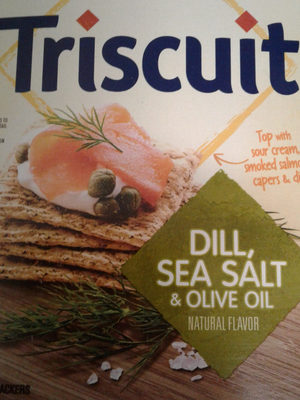 Mondelez Int. US (0074819091009)
Triscuit Crackers Dill, Sea Salt & Olive Oil 1X8.5 Oz
429kcal
10.7Protein
14.3Fat
71.4Carbs
Mondelez Int. US (0074819091009)
Triscuit Crackers Dill, Sea Salt & Olive Oil 1X8.5 Oz
429kcal
10.7Protein
14.3Fat
71.4Carbs
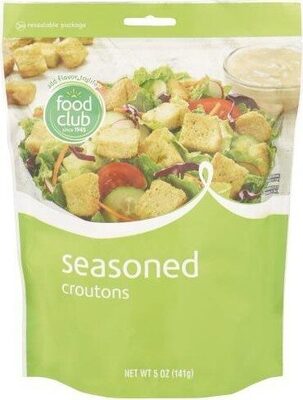 Topco Associates, Inc.
Seasoned Restaurant Style Croutons, Seasoned
429kcal
14.3Protein
14.3Fat
71.4Carbs
Campbell Soup Company
Soup, Chicken + Orzo
High in sodium — 26% DV per serving
41kcal
2.9Protein
0.2Fat
6.9Carbs
Cincinnati Preserving Company
Emerald Isle Onion Dill Horseradish Dip
400kcal
3.3Protein
30Fat
20Carbs
Beekman 1802, Inc.
7 Sisters' Antique Bean & Barley Soup Mix
342kcal
18.4Protein
1.3Fat
65.8Carbs
Global Performance
Italian Sausage Pizza Slider
High in sodium — 289% DV per serving
246kcal
9.8Protein
8.2Fat
34.4Carbs
Topco Associates, Inc.
Seasoned Restaurant Style Croutons, Seasoned
429kcal
14.3Protein
14.3Fat
71.4Carbs
Campbell Soup Company
Soup, Chicken + Orzo
High in sodium — 26% DV per serving
41kcal
2.9Protein
0.2Fat
6.9Carbs
Cincinnati Preserving Company
Emerald Isle Onion Dill Horseradish Dip
400kcal
3.3Protein
30Fat
20Carbs
Beekman 1802, Inc.
7 Sisters' Antique Bean & Barley Soup Mix
342kcal
18.4Protein
1.3Fat
65.8Carbs
Global Performance
Italian Sausage Pizza Slider
High in sodium — 289% DV per serving
246kcal
9.8Protein
8.2Fat
34.4Carbs
 Ahold USA, Inc.
Herb Seasoned Croutons
429kcal
14.3Protein
14.3Fat
71.4Carbs
Ready Pac Produce, Inc.
Complete Salad Kit Classic Caesar
150kcal
4Protein
12Fat
7Carbs
T. Marzetti Company
Dill Veggie Dip Singles, Dill
256kcal
4.7Protein
23.3Fat
7.0Carbs
Fresh Gourmet Company
Fire Dillies Quick Pickle Mix
0kcal
0Protein
0Fat
0Carbs
Ahold USA, Inc.
Herb Seasoned Croutons
429kcal
14.3Protein
14.3Fat
71.4Carbs
Ready Pac Produce, Inc.
Complete Salad Kit Classic Caesar
150kcal
4Protein
12Fat
7Carbs
T. Marzetti Company
Dill Veggie Dip Singles, Dill
256kcal
4.7Protein
23.3Fat
7.0Carbs
Fresh Gourmet Company
Fire Dillies Quick Pickle Mix
0kcal
0Protein
0Fat
0Carbs