Disodium Ribonucleotides
Auto-generated content. This description was generated automatically and is pending editorial review. Inaccuracies are possible. Found a mistake? Contact us.
What it is
Disodium ribonucleotides are salts of ribonucleotides, which are compounds found naturally in all living cells. They are typically produced through fermentation using yeast or bacteria, and then purified.
Why it's used
This ingredient is used as a flavor enhancer, often in combination with monosodium glutamate (MSG). It adds umami or savory taste and can make other flavors more intense. It is commonly found in processed foods like sauces, soups, and snack seasonings.
Health notes
Disodium ribonucleotides are generally recognized as safe (GRAS) by the U.S. Food and Drug Administration (FDA). International bodies like the Joint FAO/WHO Expert Committee on Food Additives (JECFA) and the European Food Safety Authority (EFSA) have also evaluated flavor enhancers. While some people report sensitivity to flavor enhancers, scientific reviews have not consistently linked typical consumption levels of disodium ribonucleotides to adverse health effects.
Allergen info
Disodium ribonucleotides are not derived from any of the nine FDA major allergens. They do not contain gluten.
Products containing Disodium Ribonucleotides
Compare products →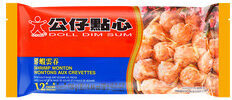 Winner Food Products Limited
Shrimp Wonton
High in sodium — 38% DV per serving
175kcal
11.1Protein
4.0Fat
20.6Carbs
Winner Food Products Limited
Shrimp Wonton
High in sodium — 38% DV per serving
175kcal
11.1Protein
4.0Fat
20.6Carbs
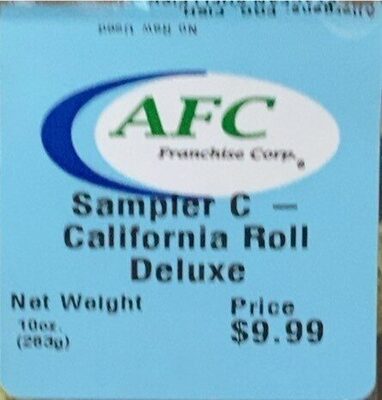 Advanced Fresh Concepts Corp.
Crunchy Shrimp
38kcal
5.8Protein
4.5Fat
24.4Carbs
Ahold USA, Inc.
Gyoza Shrimp
151kcal
5.6Protein
4.0Fat
24.6Carbs
Advanced Fresh Concepts Corp.
Crunchy Shrimp
38kcal
5.8Protein
4.5Fat
24.4Carbs
Ahold USA, Inc.
Gyoza Shrimp
151kcal
5.6Protein
4.0Fat
24.6Carbs
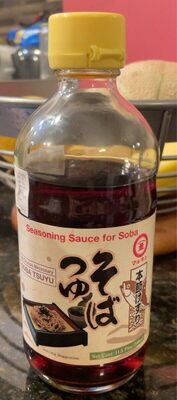 CTC Food International Inc.
Seasoning Sauce For Soba
High in sodium — 37% DV per serving
40kcal
1.7Protein
0Fat
8.3Carbs
CTC Food International Inc.
Seasoning Sauce For Soba
High in sodium — 37% DV per serving
40kcal
1.7Protein
0Fat
8.3Carbs
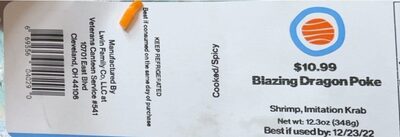 Lwin Family Co.
Blazing Dragon Poke
96kcal
3.2Protein
2.8Fat
15.1Carbs
Lwin Family Co.
Blazing Dragon Poke
96kcal
3.2Protein
2.8Fat
15.1Carbs