Distilled Vinegar & Salt
Auto-generated content. This description was generated automatically and is pending editorial review. Inaccuracies are possible. Found a mistake? Contact us.
What it is
Distilled vinegar is a clear, colorless liquid made by fermenting ethanol (alcohol) derived from various sources, such as corn or grain, into acetic acid. Salt, chemically known as sodium chloride, is a mineral compound. The two are often combined as a seasoning or preservative.
Why it's used
Distilled vinegar and salt are primarily used to add a tangy, salty flavor to foods. They can also act as preservatives, inhibiting the growth of bacteria and extending shelf life. This combination is common in snacks, sauces, condiments, and processed meats.
Health notes
Distilled vinegar and salt are generally recognized as safe (GRAS) by the FDA for use in food. Acetic acid, the main component of vinegar, has been studied for potential effects on blood sugar and appetite, but evidence is mixed and more research is needed. Excessive sodium intake from salt is linked to high blood pressure by health organizations like the WHO. JECFA and EFSA have evaluated acetic acid and sodium chloride.
Allergen info
Distilled vinegar is not derived from any of the nine FDA major allergens. Salt is a mineral and not an allergen. Gluten is not typically present in distilled vinegar made from corn or other non-wheat sources.
Products containing Distilled Vinegar & Salt
Compare products →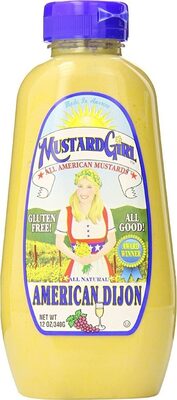 R & R Enterprises
Mustard Girl, All American Mustards, American Dijon
200kcal
0Protein
10Fat
0Carbs
Harry's Farmers Market, Ltd.
Whole Foods Market, Spinach Artichoke Dip
150kcal
6.7Protein
10Fat
6.7Carbs
Food Town Stores Inc.
Original Macaroni Salad, Original
High in sodium — 36% DV per serving
High in saturated fat — 25% DV per serving
203kcal
3.5Protein
13.2Fat
17.6Carbs
Nash Finch Company
Street Corn
129kcal
3.5Protein
6.5Fat
14.1Carbs
R & R Enterprises
Mustard Girl, All American Mustards, American Dijon
200kcal
0Protein
10Fat
0Carbs
Harry's Farmers Market, Ltd.
Whole Foods Market, Spinach Artichoke Dip
150kcal
6.7Protein
10Fat
6.7Carbs
Food Town Stores Inc.
Original Macaroni Salad, Original
High in sodium — 36% DV per serving
High in saturated fat — 25% DV per serving
203kcal
3.5Protein
13.2Fat
17.6Carbs
Nash Finch Company
Street Corn
129kcal
3.5Protein
6.5Fat
14.1Carbs
 Wal-Mart Stores, Inc.
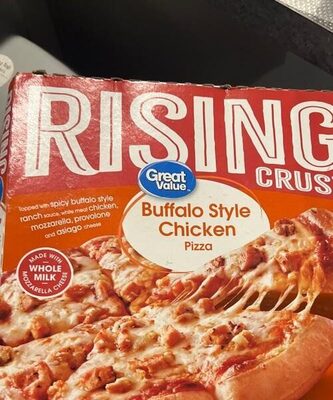
Buffalo Style Chicken Topped With Spicy Buffalo Style Ranch Sauce, White Meat Chicken, Mozzarella, Provolone And Asiago Cheese Rising Crust Pizza, Buffalo Style Chicken
High in sodium — 32% DV per serving
227kcal
9.8Protein
6.8Fat
31.1Carbs
Bmd Corporation
Pickled Spicy Italian Garlic, Pickled Spicy Italian
161kcal
7.1Protein
0Fat
35.7Carbs
Wal-Mart Stores, Inc.
Buffalo Style Chicken Topped With Spicy Buffalo Style Ranch Sauce, White Meat Chicken, Mozzarella, Provolone And Asiago Cheese Rising Crust Pizza, Buffalo Style Chicken
High in sodium — 32% DV per serving
227kcal
9.8Protein
6.8Fat
31.1Carbs
Bmd Corporation
Pickled Spicy Italian Garlic, Pickled Spicy Italian
161kcal
7.1Protein
0Fat
35.7Carbs