Mayonnaise
What is Mayonnaise?
Mayonnaise is a thick, creamy sauce that is an emulsion of oil, egg yolk, and an acid, such as vinegar or lemon juice. It is typically made by slowly adding oil to whisked egg yolks, which emulsifies the mixture, creating a stable and smooth texture.
Is Mayonnaise vegan?
No. Mayonnaise is animal-derived, so it is not vegan.
Is Mayonnaise a major allergen?
Mayonnaise contains egg, which is one of the 9 major allergens identified by the FDA.
What is Mayonnaise used for?
Mayonnaise is widely used as a condiment for sandwiches, burgers, and fries.
Is Mayonnaise safe?
As a food product, mayonnaise and its primary ingredients (like eggs, vegetable oils, and vinegar) are generally recognized as safe (GRAS) by the FDA when used appropriately.
Why it's used
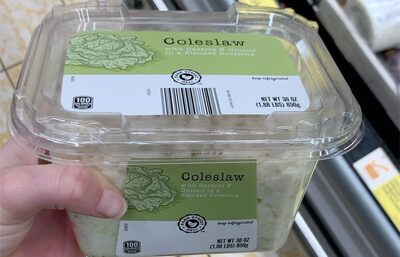
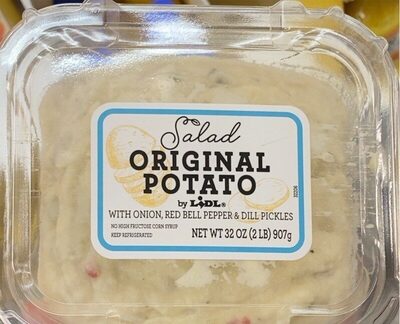
Mayonnaise is widely used as a condiment for sandwiches, burgers, and fries. It also serves as a base for many sauces, such as tartar sauce and remoulade, and is a key ingredient in salads like potato salad and coleslaw, providing richness and binding ingredients together.
Health notes
As a food product, mayonnaise and its primary ingredients (like eggs, vegetable oils, and vinegar) are generally recognized as safe (GRAS) by the FDA when used appropriately. It is a calorie-dense food due to its high fat content. JECFA and EFSA evaluate individual food additives, not composite food products like mayonnaise.
Allergen info
Mayonnaise contains egg, which is one of the 9 major allergens identified by the FDA.
Foods that contain Mayonnaise
Compare products →
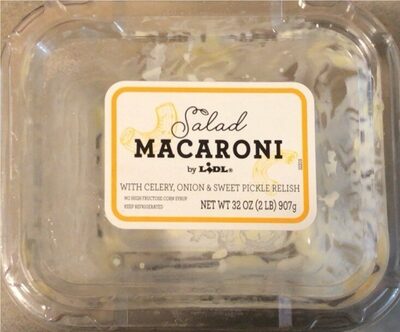 LIDL
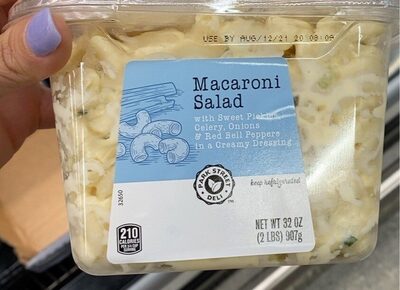
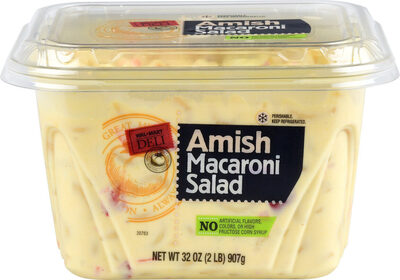
Classic Macaroni Salad
High in sodium — 33% DV per serving
200kcal
3.6Protein
12.9Fat
18.6Carbs
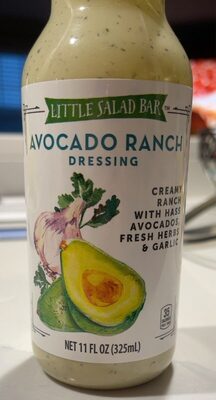
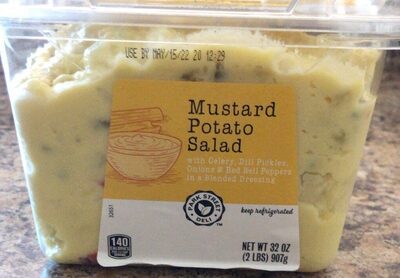
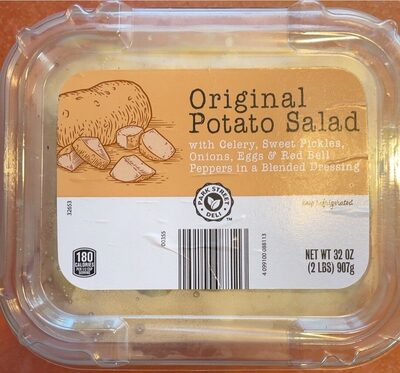
Learn more
Auto-generated content. This description was generated automatically and is pending editorial review. Inaccuracies are possible. Found a mistake? Contact us.