Dragon Fruit
What is Dragon Fruit?
Dragon fruit, also known as pitaya, is a tropical fruit that grows on a cactus species native to the Americas. It has a vibrant pink or yellow skin and a white or red flesh speckled with tiny black seeds. The fruit is typically eaten fresh, but can also be used in juices, smoothies, and desserts.
Is Dragon Fruit vegan?
Dragon Fruit is not animal-derived. Products that contain it can still include other animal-derived ingredients, so check the full ingredient list.
Is Dragon Fruit gluten-free?
It does not contain gluten.
Is Dragon Fruit a major allergen?
Dragon fruit is not one of the nine major allergens identified by the FDA.
What is Dragon Fruit used for?
Dragon fruit is primarily used for its mild, sweet flavor and attractive color.
Is Dragon Fruit safe?
Dragon fruit is recognized as safe (GRAS) by the FDA for use as a food ingredient.
Why it's used
Dragon fruit is primarily used for its mild, sweet flavor and attractive color. It adds a tropical note to fruit salads, smoothies, yogurt, and desserts. Manufacturers may also use it as a natural coloring agent in some products.
Health notes
Dragon fruit is recognized as safe (GRAS) by the FDA for use as a food ingredient. It contains vitamins, minerals, and antioxidants. Regulatory bodies like the WHO/FAO's JECFA and EFSA have evaluated dragon fruit and its components, generally finding them safe for consumption. While generally considered healthy, specific health claims are not typically associated with its use as a food ingredient.
Allergen info
Dragon fruit is not one of the nine major allergens identified by the FDA. It does not contain gluten.
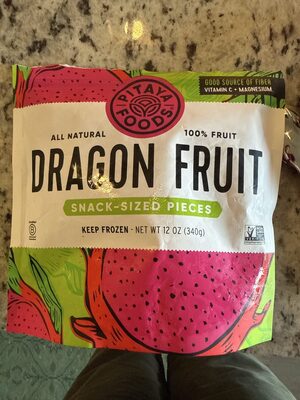
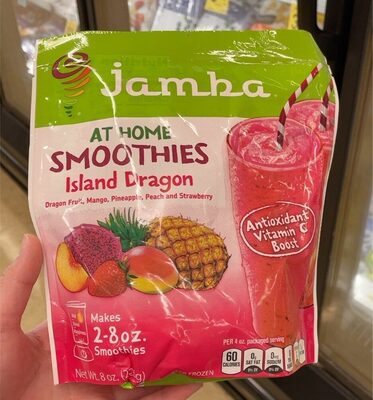
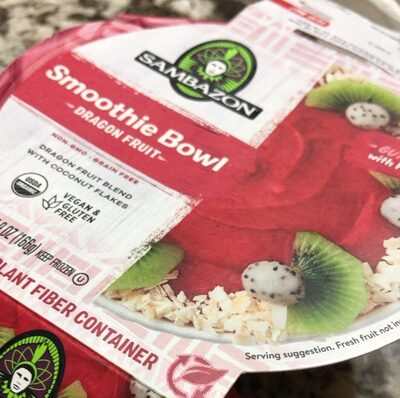
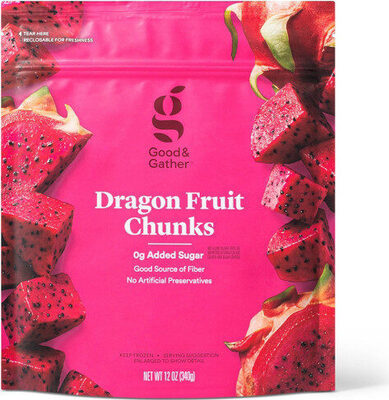
Foods that contain Dragon Fruit
Compare products →






Auto-generated content. This description was generated automatically and is pending editorial review. Inaccuracies are possible. Found a mistake? Contact us.