Dried Black Beans
What is Dried Black Beans?
Dried black beans are mature, dried seeds from the common bean plant (Phaseolus vulgaris). They are a type of legume, native to the Americas, and are harvested when fully mature and then dried for storage and later use.
Is Dried Black Beans vegan?
Dried Black Beans is not animal-derived. Products that contain it can still include other animal-derived ingredients, so check the full ingredient list.
Is Dried Black Beans a major allergen?
Not a major allergen.
What is Dried Black Beans used for?
Manufacturers add dried black beans to products primarily for their flavor, texture, and nutritional content, including fiber and plant-based protein.
Is Dried Black Beans safe?
Dried black beans are considered a whole food and are generally recognized as safe for consumption.
Why it's used
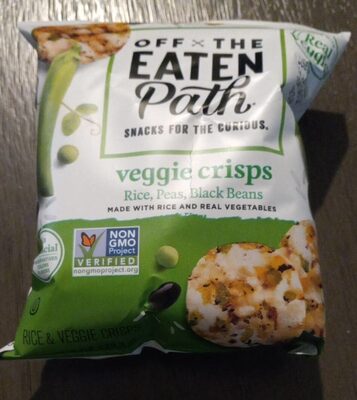
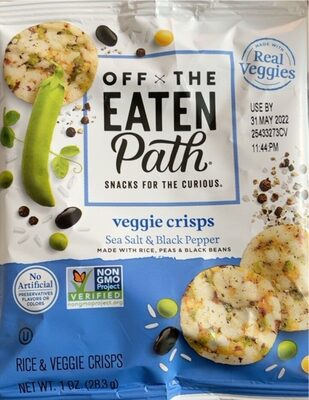
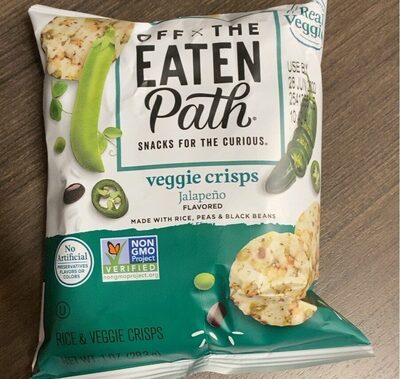
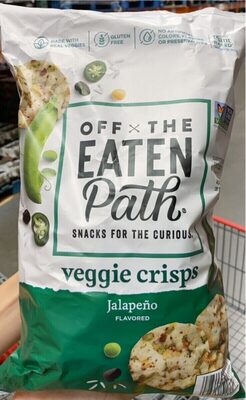
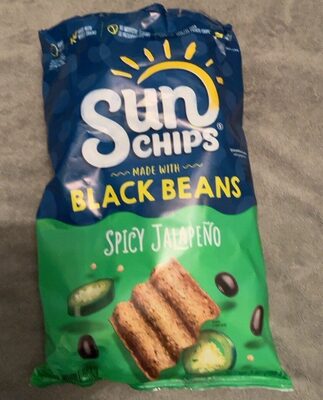
Manufacturers add dried black beans to products primarily for their flavor, texture, and nutritional content, including fiber and plant-based protein. They are often used as an ingredient in savory snacks, such as chips, crisps, and snack mixes, to add a hearty and earthy taste.
Health notes
Dried black beans are considered a whole food and are generally recognized as safe for consumption. They are a good source of dietary fiber, protein, and various micronutrients, contributing to a balanced diet. As a whole food ingredient, they are not typically evaluated by bodies like JECFA or EFSA as a food additive.
Allergen info
Not a major allergen.
Foods that contain Dried Black Beans
Compare products →
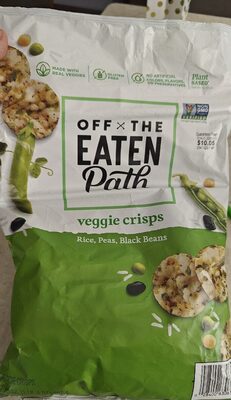

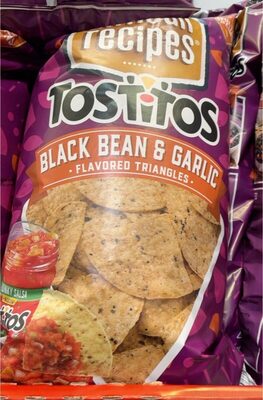
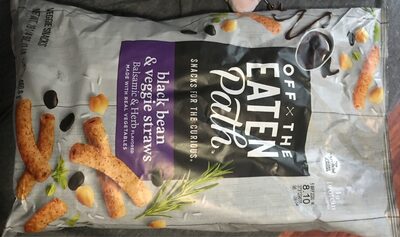
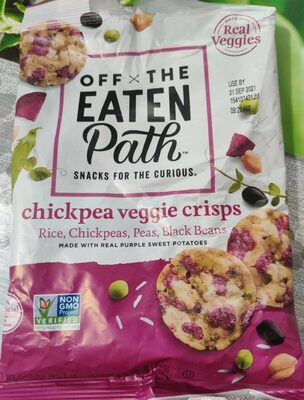
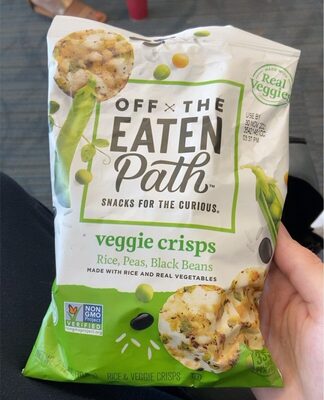

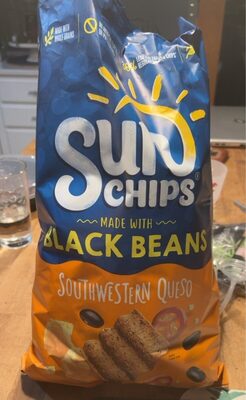
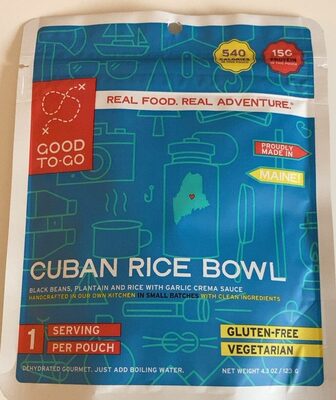
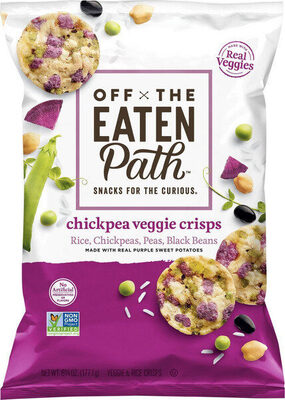
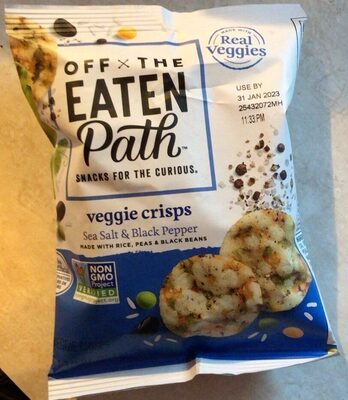
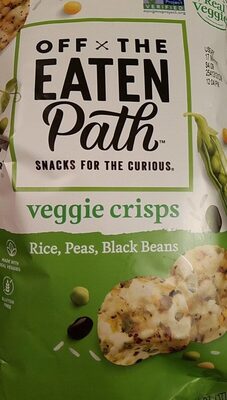
Learn more
Auto-generated content. This description was generated automatically and is pending editorial review. Inaccuracies are possible. Found a mistake? Contact us.