Dried Honey
What is Dried Honey?
Dried honey is honey that has had most of its water removed, typically through spray-drying or freeze-drying. This process results in a powdered form of honey that is easier to handle and store than liquid honey. It retains the natural sweetness and flavor of honey.
Is Dried Honey vegan?
No. Dried Honey is animal-derived, so it is not vegan.
Is Dried Honey gluten-free?
Honey is produced by bees from nectar and does not inherently contain any of the nine FDA major allergens or gluten.
Is Dried Honey a major allergen?
Not a major allergen.
What is Dried Honey used for?
Manufacturers use dried honey primarily as a sweetener and flavor enhancer in dry mixes, baked goods, and confectionery.
Is Dried Honey safe?
Dried honey is generally recognized as safe (GRAS) by the FDA for use as a food ingredient.
Why it's used
Manufacturers use dried honey primarily as a sweetener and flavor enhancer in dry mixes, baked goods, and confectionery. It provides a concentrated honey flavor and sweetness without adding excess moisture, making it ideal for products like pancake mixes, cereals, and snack bars.
Health notes
Dried honey is generally recognized as safe (GRAS) by the FDA for use as a food ingredient. Like liquid honey, it is primarily composed of sugars (fructose and glucose) and can contribute to calorie intake. JECFA has evaluated honey and established an acceptable daily intake, though specific evaluations for dried honey may vary. Evidence does not suggest adverse health effects from typical consumption levels.
Allergen info
Not a major allergen. Honey is produced by bees from nectar and does not inherently contain any of the nine FDA major allergens or gluten.
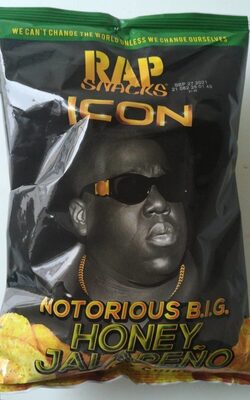
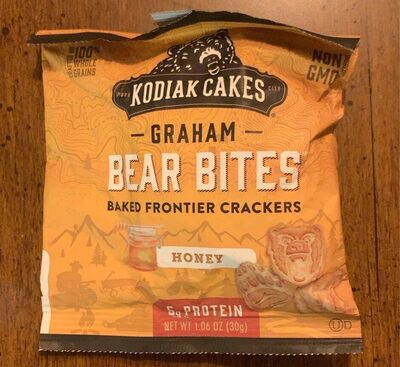
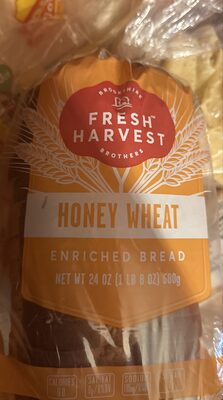
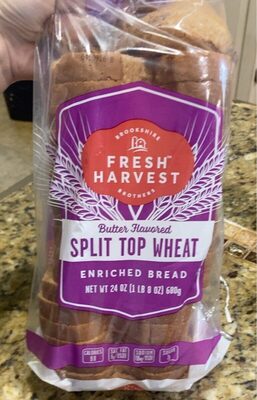
Foods that contain Dried Honey
Compare products →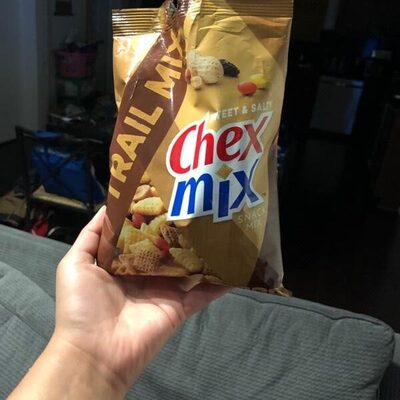 General Mills Sales
Chex Mix Sweet 'N Salty Trail Mix Snack Mix
429kcal
5.7Protein
14.3Fat
71.4Carbs
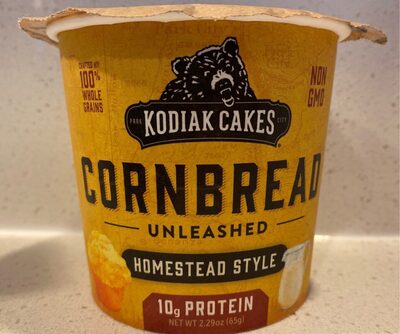
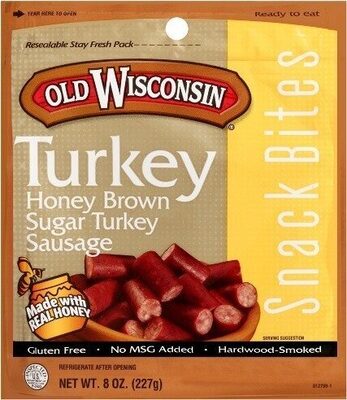
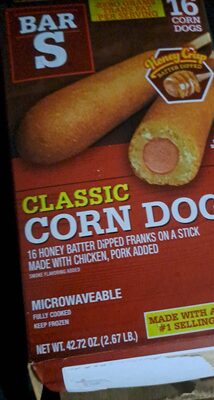

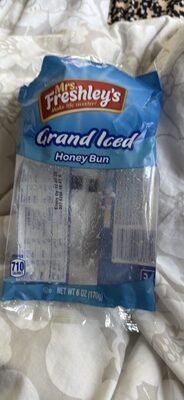
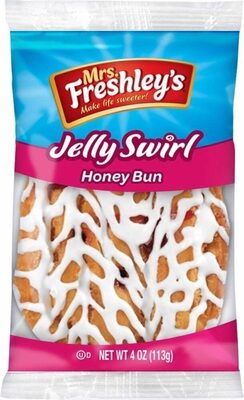
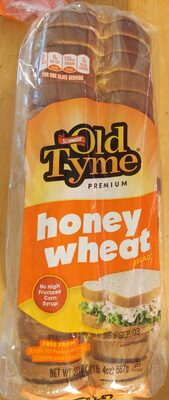
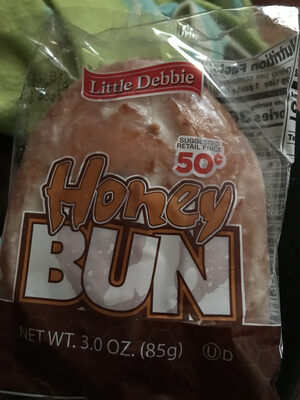
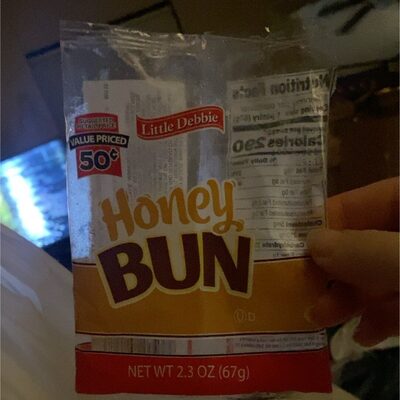
Learn more
Auto-generated content. This description was generated automatically and is pending editorial review. Inaccuracies are possible. Found a mistake? Contact us.