Dried Shave Bonito
What is Dried Shave Bonito?
Dried shave bonito, also known as katsuobushi, is a dried, fermented, and smoked skipjack tuna product. It is a staple in Japanese cuisine, often shaved into thin flakes. The process involves boiling, smoking, and sun-drying the fish, followed by a fermentation period.
Is Dried Shave Bonito vegan?
No. Dried Shave Bonito is animal-derived, so it is not vegan.
Is Dried Shave Bonito gluten-free?
It does not contain gluten.
Is Dried Shave Bonito a major allergen?
Dried shave bonito is derived from fish, which is one of the 9 major allergens recognized by the FDA.
What is Dried Shave Bonito used for?
Manufacturers use dried shave bonito primarily as a flavoring agent, imparting a smoky, umami taste to foods.
Is Dried Shave Bonito safe?
Dried shave bonito is generally recognized as safe for consumption.
Why it's used
Manufacturers use dried shave bonito primarily as a flavoring agent, imparting a smoky, umami taste to foods. It is a key ingredient in dashi, a Japanese soup stock, and is also found in seasoning mixes, broths, and as a topping for various dishes like rice and noodles.
Health notes
Dried shave bonito is generally recognized as safe for consumption. It is a source of protein and various minerals. Regulatory bodies like the FDA have not set specific limits for its consumption, and it is not typically associated with major health controversies when consumed in moderation as part of a balanced diet. It is a natural food product without artificial additives.
Allergen info
Dried shave bonito is derived from fish, which is one of the 9 major allergens recognized by the FDA. It does not contain gluten.
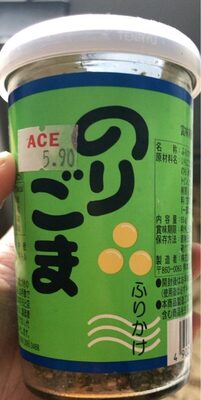
Foods that contain Dried Shave Bonito
Compare products →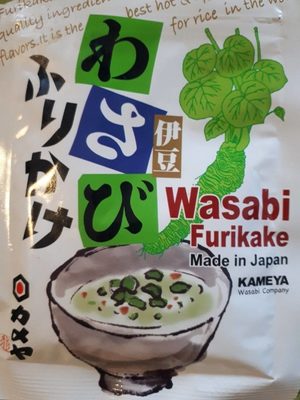
Learn more
Auto-generated content. This description was generated automatically and is pending editorial review. Inaccuracies are possible. Found a mistake? Contact us.