Dry Onions
Auto-generated content. This description was generated automatically and is pending editorial review. Inaccuracies are possible. Found a mistake? Contact us.
What it is
Dry onions are dehydrated onions, typically made by slicing fresh onions and then drying them using air or vacuum dehydration. This process removes most of the water content, concentrating their flavor and extending their shelf life. They are available in various forms, including flakes, granules, and powders.
Why it's used
Manufacturers use dry onions to add concentrated onion flavor to a wide variety of foods without the moisture and perishability of fresh onions. They are common in dry mixes, spice blends, sauces, processed meats, and baked goods. Their convenience and consistent flavor make them a popular choice for food production.
Health notes
Dry onions are generally recognized by the FDA as safe (GRAS) for use in food. They contain various nutrients and antioxidants found in fresh onions. International bodies like JECFA have evaluated onions and their components. At typical consumption levels in food, they are not associated with adverse health effects.
Allergen info
Onions are not one of the nine major allergens recognized by the FDA. They do not contain gluten.
Products containing Dry Onions
Compare products →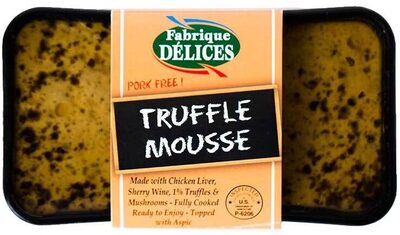 Sapar USA Inc.
Truffle Mousse
High in saturated fat — 30% DV per serving
High in cholesterol — 43% DV per serving
357kcal
8.9Protein
33.9Fat
3.6Carbs
Wise Sons Delicatessen
Everything Bagels, Everything
High in sodium — 44% DV per serving
330kcal
9Protein
5Fat
62Carbs
Mountain Rise Organics, Inc.
Hudson Bread Ciabatta Dinner Roll
200kcal
4.4Protein
3.3Fat
35.6Carbs
Sapar USA Inc.
Truffle Mousse
High in saturated fat — 30% DV per serving
High in cholesterol — 43% DV per serving
357kcal
8.9Protein
33.9Fat
3.6Carbs
Wise Sons Delicatessen
Everything Bagels, Everything
High in sodium — 44% DV per serving
330kcal
9Protein
5Fat
62Carbs
Mountain Rise Organics, Inc.
Hudson Bread Ciabatta Dinner Roll
200kcal
4.4Protein
3.3Fat
35.6Carbs