Dry Salami Pork
What is Dry Salami Pork?
Dry salami pork is a cured meat product made from pork. The pork is typically ground and mixed with salt, spices, and curing agents. It is then fermented and dried to create a firm, shelf-stable sausage.
Is Dry Salami Pork vegan?
No. Dry Salami Pork is animal-derived, so it is not vegan.
Is Dry Salami Pork gluten-free?
It does not contain gluten.
Is Dry Salami Pork a major allergen?
Dry salami pork is not derived from any of the 9 major FDA allergens.
What is Dry Salami Pork used for?
Manufacturers use dry salami pork for its savory, salty flavor and firm texture.
Is Dry Salami Pork safe?
Dry salami pork is a source of protein and fat.
Why it's used
Manufacturers use dry salami pork for its savory, salty flavor and firm texture. It is commonly found in Italian-style cured meats like salami and pepperoni, and is also used as a topping for pizzas and in antipasto platters.
Health notes
Dry salami pork is a source of protein and fat. As a cured meat, it contains sodium and nitrates/nitrites, which are used in the curing process. The World Health Organization (WHO) has classified processed meats, including salami, as carcinogenic to humans (Group 1). The FDA regulates the use of curing agents in processed meats. Typical consumption levels are generally considered safe by regulatory bodies, but high intake of processed meats is linked to increased risk of certain health issues in some studies.
Allergen info
Dry salami pork is not derived from any of the 9 major FDA allergens. It does not contain gluten.
Foods that contain Dry Salami Pork
Compare products →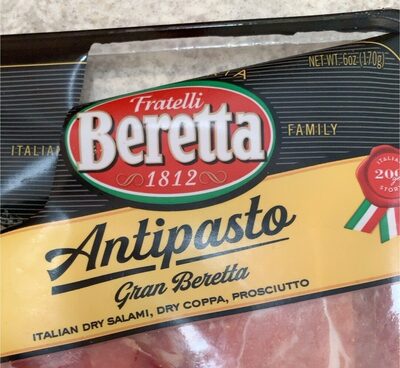 Gran Beretta Antipasto
214kcal
25Protein
12.5Fat
0Carbs
Gran Beretta Antipasto
214kcal
25Protein
12.5Fat
0Carbs
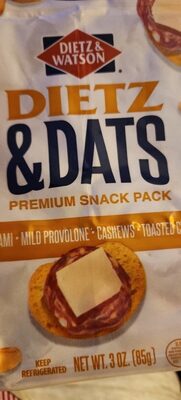 Dietz & Watson Inc.
Dietz & Watson Dietz & Dats Premium Snack Pack, 3 Oz
High in sodium — 37% DV per serving
High in saturated fat — 45% DV per serving
High in cholesterol — 22% DV per serving
459kcal
23.5Protein
34.1Fat
15.3Carbs
Wal-Mart Stores, Inc.
5 Meat Blend Of Salami, Pepperoni, Italian Sausage, Uncured Bacon, And Ground Beef With Three Cheeses On A Parmesan And BBQ Flavored Rising Seasoned Crust Pizza, 5 Meat
High in sodium — 40% DV per serving
High in saturated fat — 35% DV per serving
259kcal
10.2Protein
11.6Fat
29.2Carbs
Dietz & Watson Inc.
Dietz & Watson Dietz & Dats Premium Snack Pack, 3 Oz
High in sodium — 37% DV per serving
High in saturated fat — 45% DV per serving
High in cholesterol — 22% DV per serving
459kcal
23.5Protein
34.1Fat
15.3Carbs
Wal-Mart Stores, Inc.
5 Meat Blend Of Salami, Pepperoni, Italian Sausage, Uncured Bacon, And Ground Beef With Three Cheeses On A Parmesan And BBQ Flavored Rising Seasoned Crust Pizza, 5 Meat
High in sodium — 40% DV per serving
High in saturated fat — 35% DV per serving
259kcal
10.2Protein
11.6Fat
29.2Carbs
Learn more
Auto-generated content. This description was generated automatically and is pending editorial review. Inaccuracies are possible. Found a mistake? Contact us.