E200
What is E200?
Sorbic acid (E200) is a naturally occurring organic compound. It is often produced industrially by heating ketene with acetic anhydride. It is a white crystalline solid that is slightly soluble in water.
Is E200 vegan?
E200 is not animal-derived. Products that contain it can still include other animal-derived ingredients, so check the full ingredient list.
Is E200 gluten-free?
It does not contain gluten.
Is E200 a major allergen?
Sorbic acid is not derived from any of the nine FDA major allergens.
What is E200 used for?
Sorbic acid and its salts are used as preservatives to inhibit the growth of mold, yeast, and bacteria in foods.
Is E200 safe?
Sorbic acid is generally recognized as safe (GRAS) by the U.S. Food and Drug Administration (FDA) for use as a food preservative.
Why it's used
Sorbic acid and its salts are used as preservatives to inhibit the growth of mold, yeast, and bacteria in foods. They are effective in a wide range of products, including baked goods, cheeses, dried fruits, and beverages.
Health notes
Sorbic acid is generally recognized as safe (GRAS) by the U.S. Food and Drug Administration (FDA) for use as a food preservative. International bodies like JECFA and EFSA have evaluated sorbic acid and its salts, and they are approved for use in many countries. Studies on sorbic acid have not shown significant adverse health effects at typical consumption levels. Some individuals may experience skin irritation or allergic reactions, though this is rare.
Allergen info
Sorbic acid is not derived from any of the nine FDA major allergens. It does not contain gluten.
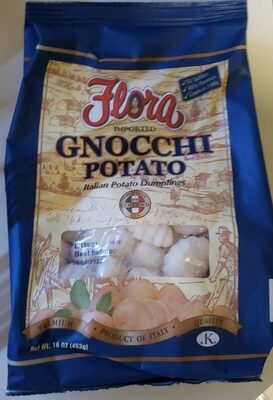
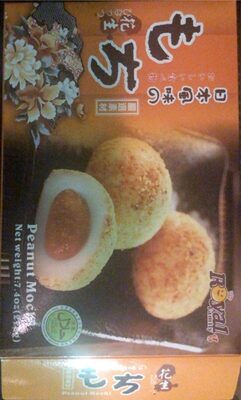
Foods that contain E200
Compare products →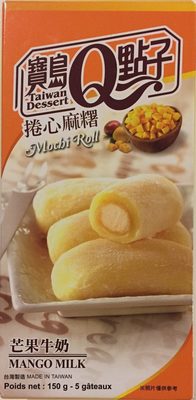

Learn more
Auto-generated content. This description was generated automatically and is pending editorial review. Inaccuracies are possible. Found a mistake? Contact us.