E221 Retention
What is E221 Retention?
E221 is the European Union designation for sodium sulfite, an inorganic salt. It is produced by reacting sulfur dioxide with sodium carbonate or sodium hydroxide. Sodium sulfite is a white crystalline powder that is soluble in water.
Is E221 Retention vegan?
E221 Retention is not animal-derived. Products that contain it can still include other animal-derived ingredients, so check the full ingredient list.
Is E221 Retention gluten-free?
It does not contain gluten.
Is E221 Retention a major allergen?
Not a major allergen.
What is E221 Retention used for?
Sodium sulfite is used as a preservative and antioxidant in foods.
Is E221 Retention safe?
In the U.S., sodium sulfite is generally recognized as safe (GRAS) by the FDA when used according to good manufacturing practices.
Why it's used
Sodium sulfite is used as a preservative and antioxidant in foods. It helps prevent browning in dried fruits and vegetables and inhibits the growth of bacteria in seafood and other products. It is commonly found in canned goods, dried fruits, and some wines.
Health notes
In the U.S., sodium sulfite is generally recognized as safe (GRAS) by the FDA when used according to good manufacturing practices. It is also approved as a food additive. Regulatory bodies like JECFA and EFSA have evaluated sulfites and established acceptable intake levels. Some individuals, particularly those with asthma, may be sensitive to sulfites and experience allergic-type reactions.
Allergen info
Not a major allergen. It does not contain gluten.
Foods that contain E221 Retention
Compare products →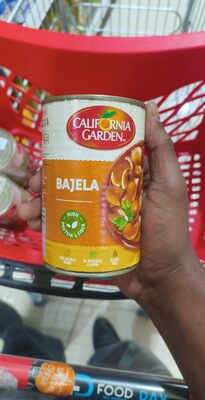
Learn more
Auto-generated content. This description was generated automatically and is pending editorial review. Inaccuracies are possible. Found a mistake? Contact us.