E223 As Preservative
What is E223 As Preservative?
E223 is the European designation for sodium metabisulfite, a white or slightly yellow crystalline powder. It is an inorganic salt made from sulfur dioxide and sodium hydroxide. It is often used as a preservative and antioxidant in food products.
Is E223 As Preservative vegan?
E223 As Preservative is not animal-derived. Products that contain it can still include other animal-derived ingredients, so check the full ingredient list.
Is E223 As Preservative a major allergen?
Not a major allergen.
What is E223 As Preservative used for?
Manufacturers add sodium metabisulfite to foods to prevent spoilage by inhibiting the growth of bacteria and molds.
Is E223 As Preservative safe?
Sodium metabisulfite is permitted for use as a preservative in the U.S. by the FDA.
Why it's used
Manufacturers add sodium metabisulfite to foods to prevent spoilage by inhibiting the growth of bacteria and molds. It also acts as an antioxidant, preventing browning in fruits and vegetables and preserving the color and flavor of processed foods. It is commonly found in dried fruits, wine, fruit juices, and some processed potato products.
Health notes
Sodium metabisulfite is permitted for use as a preservative in the U.S. by the FDA. It is generally recognized as safe (GRAS) for its intended use. However, some individuals, particularly those with asthma, may be sensitive to sulfites and experience allergic-type reactions. Regulatory bodies like JECFA and EFSA have evaluated sulfites, and they are permitted for use within specified limits in many countries.
Allergen info
Not a major allergen.
Foods that contain E223 As Preservative
Compare products →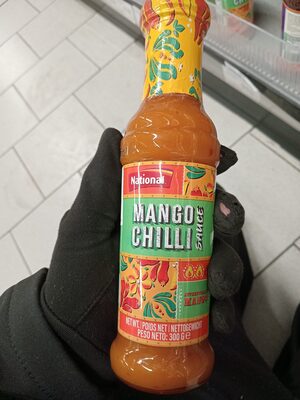
Learn more
Auto-generated content. This description was generated automatically and is pending editorial review. Inaccuracies are possible. Found a mistake? Contact us.