E260 As Acidity Regulators
What is E260 As Acidity Regulators?
Acetic acid is a clear, colorless liquid with a strong, pungent odor. It is a key component of vinegar, making up about 4-8% of its volume. Acetic acid can be produced industrially through the carbonylation of methanol or the fermentation of ethanol by acetic acid bacteria.
Is E260 As Acidity Regulators vegan?
E260 As Acidity Regulators is not animal-derived. Products that contain it can still include other animal-derived ingredients, so check the full ingredient list.
Is E260 As Acidity Regulators gluten-free?
It does not contain gluten.
Is E260 As Acidity Regulators a major allergen?
Acetic acid is not derived from any of the 9 FDA major allergens.
What is E260 As Acidity Regulators used for?
Acetic acid is commonly used as an acidity regulator in foods, helping to control pH levels and enhance flavor.
Is E260 As Acidity Regulators safe?
Acetic acid is generally recognized as safe (GRAS) by the FDA when used as a food additive.
Why it's used
Acetic acid is commonly used as an acidity regulator in foods, helping to control pH levels and enhance flavor. It can also act as a preservative, inhibiting the growth of bacteria and mold. You'll find it in a variety of products, including sauces, pickles, and condiments.
Health notes
Acetic acid is generally recognized as safe (GRAS) by the FDA when used as a food additive. It is a natural component of many foods and is produced by the body during metabolism. JECFA and EFSA have evaluated acetic acid and found it safe for consumption. At typical food levels, it does not pose health risks. High concentrations can be corrosive, but this is not a concern in food applications.
Allergen info
Acetic acid is not derived from any of the 9 FDA major allergens. It does not contain gluten.
Foods that contain E260 As Acidity Regulators
Compare products →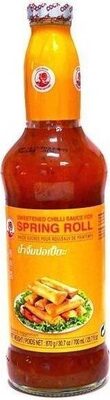 Thai World Import & Export Co.
Cock Brand, Sweetened Chilli Sauce For Spring Roll
High in sodium — 21% DV per serving
200kcal
0Protein
0Fat
53.3Carbs
Thai World Import & Export Co.
Cock Brand, Sweetened Chilli Sauce For Spring Roll
High in sodium — 21% DV per serving
200kcal
0Protein
0Fat
53.3Carbs
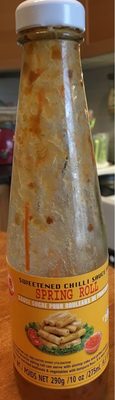 Thai World Import & Export Co.
Cock Brand, Sweetened Chili Sauce For Spring Roll
High in sodium — 25% DV per serving
222kcal
0Protein
0Fat
52.8Carbs
Thai World Import & Export Co.
Cock Brand, Sweetened Chili Sauce For Spring Roll
High in sodium — 25% DV per serving
222kcal
0Protein
0Fat
52.8Carbs
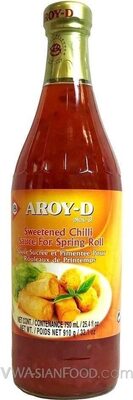 Thai Agri Foods Co., Ltd.
Aroy-D, Sweetened Chilli Sauce For Spring Roll
222kcal
0Protein
0Fat
55.6Carbs
Thai Agri Foods Co., Ltd.
Aroy-D, Sweetened Chilli Sauce For Spring Roll
222kcal
0Protein
0Fat
55.6Carbs
Auto-generated content. This description was generated automatically and is pending editorial review. Inaccuracies are possible. Found a mistake? Contact us.