Each: Cultured Milk Powder
Auto-generated content. This description was generated automatically and is pending editorial review. Inaccuracies are possible. Found a mistake? Contact us.
What it is
Cultured milk powder is made by drying milk that has been fermented by beneficial bacteria, often called probiotics. This process gives the milk a tangy flavor and can help preserve it. It is a concentrated form of milk solids.
Why it's used
Manufacturers use cultured milk powder to add a creamy texture, a slightly tangy flavor, and to improve the shelf life of products. It is often found in dairy-based products like cheeses, dips, and baked goods.
Health notes
In the US, cultured milk powder is generally recognized as safe (GRAS) by the FDA for use in food. It is a source of protein and calcium. International bodies like JECFA have evaluated similar dairy ingredients. Evidence does not suggest adverse health effects from consuming typical amounts.
Allergen info
Cultured milk powder is derived from milk, which is one of the nine major allergens identified by the FDA. It does not contain gluten.
Products containing Each: Cultured Milk Powder
Compare products →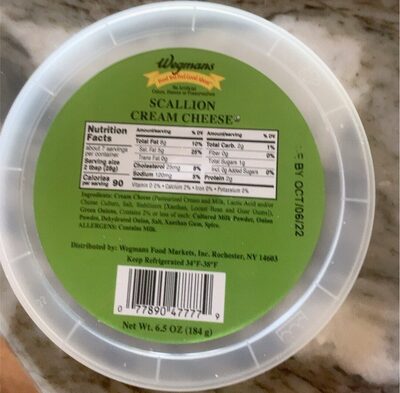 Wegmans Food Markets, Inc.
Scallion Cream Cheese, Scallion
High in saturated fat — 25% DV per serving
321kcal
7.1Protein
28.6Fat
7.1Carbs
Wegmans Food Markets, Inc.
Scallion Cream Cheese, Scallion
High in saturated fat — 25% DV per serving
321kcal
7.1Protein
28.6Fat
7.1Carbs
 Wegmans Food Markets, Inc.
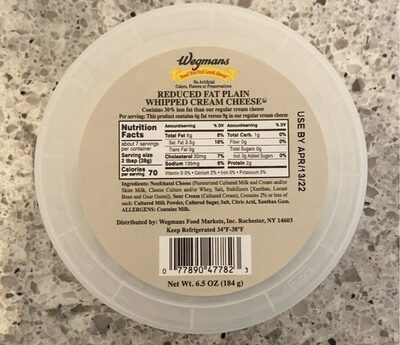
Reduced Fat Plain Whipped Cream Cheese, Plain
250kcal
7.1Protein
21.4Fat
3.6Carbs
Wegmans Food Markets, Inc.
Reduced Fat Plain Whipped Cream Cheese, Plain
250kcal
7.1Protein
21.4Fat
3.6Carbs