Each Of The Following: Mono- & Diglycerides
This entry is a label phrase. See the main ingredient page: Mono & Diglycerides.
What is Each Of The Following: Mono- & Diglycerides?
Mono- and diglycerides are fats that are made by combining glycerol with fatty acids. They are often derived from vegetable oils, but can also come from animal fats. They are produced through a process called esterification.
Is Each Of The Following: Mono- & Diglycerides a major allergen?
Mono- and diglycerides are not typically considered major allergens.
What is Each Of The Following: Mono- & Diglycerides used for?
Manufacturers add mono- and diglycerides to foods to help mix oil and water, a process called emulsification.
Is Each Of The Following: Mono- & Diglycerides safe?
Mono- and diglycerides are generally recognized as safe (GRAS) by the FDA.
Why it's used
Manufacturers add mono- and diglycerides to foods to help mix oil and water, a process called emulsification. This helps improve texture and consistency in baked goods like croissants, muffins, and cakes, and also in frozen appetizers.
Health notes
Mono- and diglycerides are generally recognized as safe (GRAS) by the FDA. They are a common food additive and are widely consumed. The Joint FAO/WHO Expert Committee on Food Additives (JECFA) has evaluated mono- and diglycerides and established an acceptable daily intake.
Allergen info
Mono- and diglycerides are not typically considered major allergens. However, if derived from soy or other major allergens, cross-contamination could be a concern for highly sensitive individuals.
Foods that contain Each Of The Following: Mono- & Diglycerides
Compare products →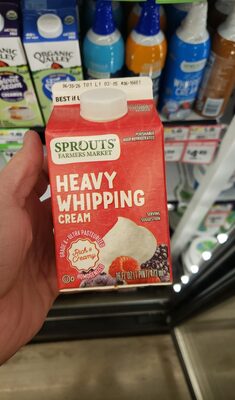
Learn more
Auto-generated content. This description was generated automatically and is pending editorial review. Inaccuracies are possible. Found a mistake? Contact us.