Edible Shellac
What is Edible Shellac?
Edible shellac is a refined form of shellac, a natural resin secreted by the lac bug. The resin is collected, purified, and processed into a food-grade product. It is typically used as a coating or glazing agent.
Is Edible Shellac vegan?
No. Edible Shellac is animal-derived, so it is not vegan.
Is Edible Shellac gluten-free?
Edible shellac is not derived from any of the nine FDA major allergens and does not contain gluten.
What is Edible Shellac used for?
Manufacturers use edible shellac as a glazing agent to provide a shiny appearance and to protect foods from moisture.
Is Edible Shellac safe?
In the U.S., edible shellac is generally recognized as safe (GRAS) by the FDA.
Why it's used
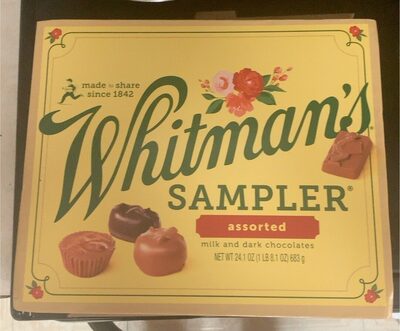
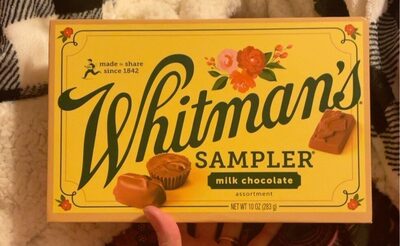
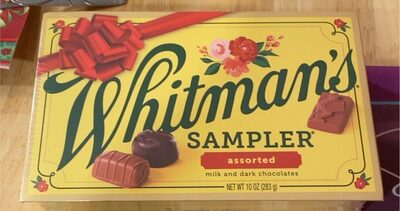
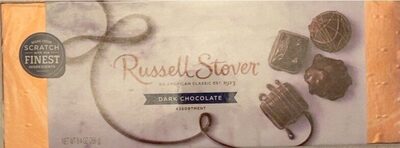
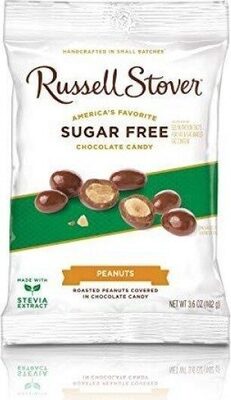
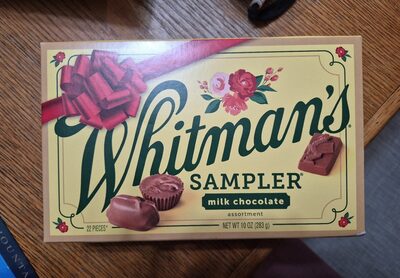
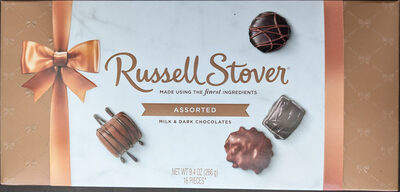
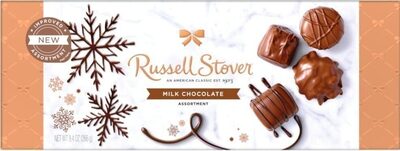
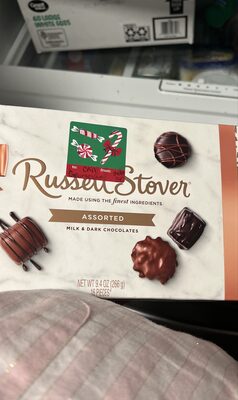
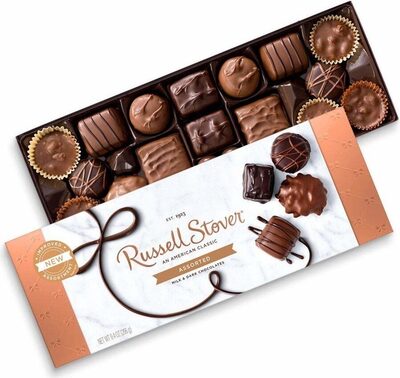
Manufacturers use edible shellac as a glazing agent to provide a shiny appearance and to protect foods from moisture. It can also act as a barrier to prevent ingredients from mixing and to extend shelf life. It is commonly found on candies, chocolates, nuts, and baked goods.
Health notes
In the U.S., edible shellac is generally recognized as safe (GRAS) by the FDA. It is approved as a food additive for specific uses. International bodies like JECFA have evaluated shellac and established guidelines for its use. At typical consumption levels, it is not associated with adverse health effects. There are no widespread controversies regarding its safety.
Allergen info
Edible shellac is not derived from any of the nine FDA major allergens and does not contain gluten.
Foods that contain Edible Shellac
Compare products →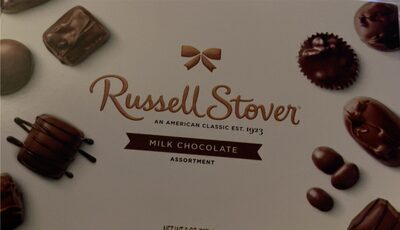
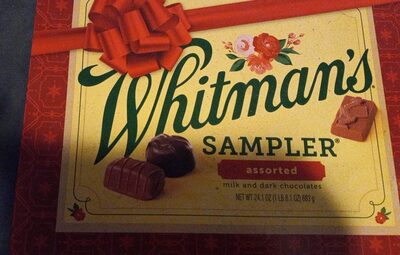

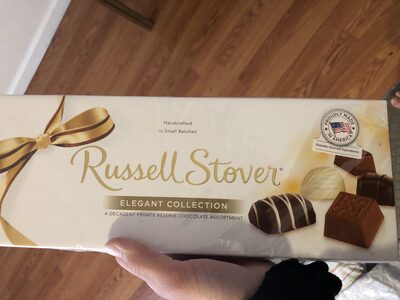
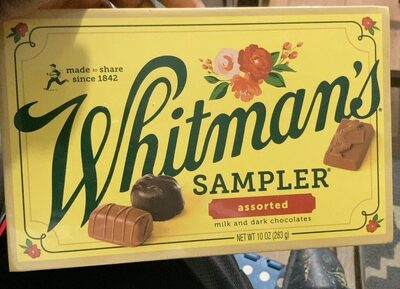





Auto-generated content. This description was generated automatically and is pending editorial review. Inaccuracies are possible. Found a mistake? Contact us.