EDTA & BHA
What is EDTA & BHA?
EDTA (ethylenediaminetetraacetic acid) is a synthetic chelating agent. It is made from chemicals like ethylenediamine, formaldehyde, and sodium cyanide. BHA (butylated hydroxyanisole) is a synthetic antioxidant made from butylated phenol and anisole.
Is EDTA & BHA vegan?
EDTA & BHA is not animal-derived. Products that contain it can still include other animal-derived ingredients, so check the full ingredient list.
Is EDTA & BHA gluten-free?
They do not contain gluten.
Is EDTA & BHA a major allergen?
Neither EDTA nor BHA are derived from or are among the 9 FDA major allergens.
What is EDTA & BHA used for?
EDTA is added to foods to prevent metallic tastes and discoloration by binding to metal ions.
Is EDTA & BHA safe?
EDTA is permitted by the FDA as a food additive (21 CFR 172.130) and is generally recognized as safe (GRAS) when used as specified.
Why it's used
EDTA is added to foods to prevent metallic tastes and discoloration by binding to metal ions. BHA is added to foods as an antioxidant to prevent fats and oils from spoiling and to extend shelf life. They are often found in processed foods like baked goods, cereals, and snack foods.
Health notes
EDTA is permitted by the FDA as a food additive (21 CFR 172.130) and is generally recognized as safe (GRAS) when used as specified. BHA is also permitted by the FDA as a food additive (21 CFR 172.110) and is GRAS. JECFA has evaluated both substances. The International Agency for Research on Cancer (IARC) has classified BHA as possibly carcinogenic to humans (Group 2B). Evidence on BHA's health effects is mixed, and regulatory bodies continue to review its safety.
Allergen info
Neither EDTA nor BHA are derived from or are among the 9 FDA major allergens. They do not contain gluten.
Foods that contain EDTA & BHA
Compare products →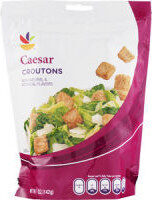
Learn more
Auto-generated content. This description was generated automatically and is pending editorial review. Inaccuracies are possible. Found a mistake? Contact us.