EDTA To Protect Color
Auto-generated content. This description was generated automatically and is pending editorial review. Inaccuracies are possible. Found a mistake? Contact us.
What it is
EDTA, or ethylenediaminetetraacetic acid, is a synthetic chemical compound. It is produced industrially through chemical synthesis, typically involving reactions between ethylenediamine, formaldehyde, and sodium cyanide or hydrogen cyanide.
Why it's used
EDTA is used as a chelating agent, meaning it can bind to metal ions. This property helps to prevent metals from catalyzing oxidation reactions, which can degrade color, flavor, and texture in foods. It is often added to beverages, dressings, and canned goods to preserve color and extend shelf life.
Health notes
In the United States, EDTA (specifically disodium EDTA and calcium disodium EDTA) is generally recognized as safe (GRAS) by the FDA when used as a food additive. International bodies like JECFA have evaluated EDTA and established acceptable daily intakes. While EDTA is poorly absorbed by the body and largely excreted, some studies have explored its potential effects at very high doses, but these are not typically relevant to normal dietary intake.
Allergen info
EDTA is a synthetic chemical and is not derived from any of the nine FDA major allergens. It does not contain gluten.
Products containing EDTA To Protect Color
Compare products →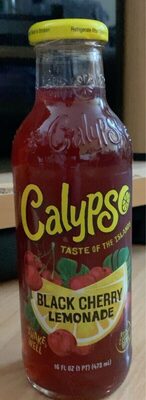 King Juice Co.Of Wis.Inc.
Black Cherry Lemonade
High in added sugars — 98% DV per serving
42kcal
0Protein
0Fat
10.4Carbs
King Juice Co.Of Wis.Inc.
Black Cherry Lemonade
High in added sugars — 98% DV per serving
42kcal
0Protein
0Fat
10.4Carbs
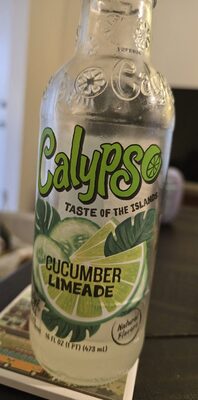 King Juice Co.Of Wis.Inc.
Cucumber Limeade, Cucumber
High in added sugars — 96% DV per serving
42kcal
0Protein
0Fat
10.2Carbs
King Juice Co.Of Wis.Inc.
Calypso, Strawberry Lemonade
51kcal
0Protein
0Fat
12.2Carbs
King Juice Co.Of Wis.Inc.
Kiwi Lemonade, Kiwi
51kcal
0Protein
0Fat
12.2Carbs
King Juice Co.Of Wis.Inc.
Triple Melon Lemonade, Triple Melon
46kcal
0Protein
0Fat
11.0Carbs
King Juice Co.Of Wis.Inc.
Cucumber Limeade, Cucumber
High in added sugars — 96% DV per serving
42kcal
0Protein
0Fat
10.2Carbs
King Juice Co.Of Wis.Inc.
Calypso, Strawberry Lemonade
51kcal
0Protein
0Fat
12.2Carbs
King Juice Co.Of Wis.Inc.
Kiwi Lemonade, Kiwi
51kcal
0Protein
0Fat
12.2Carbs
King Juice Co.Of Wis.Inc.
Triple Melon Lemonade, Triple Melon
46kcal
0Protein
0Fat
11.0Carbs
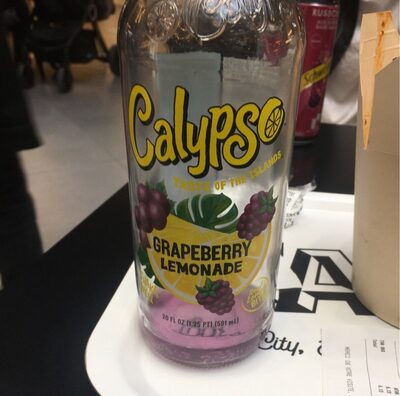 King Juice Co.Of Wis.Inc.
Grapeberry Lemonade, Grapeberry
51kcal
0Protein
0Fat
12.2Carbs
King Juice Co.Of Wis.Inc.
Grapeberry Lemonade, Grapeberry
51kcal
0Protein
0Fat
12.2Carbs
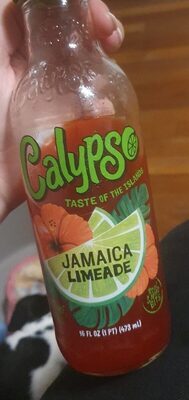 King Juice Co.Of Wis.Inc.
Jamaica Limeade, Jamaica
High in added sugars — 108% DV per serving
47kcal
0Protein
0Fat
11.8Carbs
King Juice Co.Of Wis.Inc.
Jamaica Limeade, Jamaica
High in added sugars — 108% DV per serving
47kcal
0Protein
0Fat
11.8Carbs
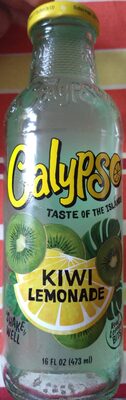 King Juice Co.Of Wis.Inc.
Kiwi Lemonade Juice, Kiwi Lemonade
High in added sugars — 104% DV per serving
44kcal
0Protein
0Fat
11.0Carbs
King Juice Co.Of Wis.Inc.
Southern Peach Lemonade, Southern Peach
46kcal
0Protein
0Fat
11.0Carbs
King Juice Co.Of Wis.Inc.
Kiwi Lemonade Juice, Kiwi Lemonade
High in added sugars — 104% DV per serving
44kcal
0Protein
0Fat
11.0Carbs
King Juice Co.Of Wis.Inc.
Southern Peach Lemonade, Southern Peach
46kcal
0Protein
0Fat
11.0Carbs
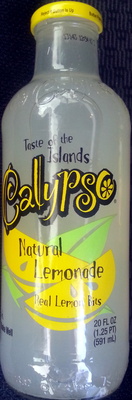 King Juice Co.Of Wis.Inc.
Original Lemonade, Original
51kcal
0Protein
0Fat
12.2Carbs
King Juice Co.Of Wis.Inc.
Black Cherry Lemonade, Black Cherry
51kcal
0Protein
0Fat
12.2Carbs
King Juice Co.Of Wis.Inc.
Original Lemonade, Original
51kcal
0Protein
0Fat
12.2Carbs
King Juice Co.Of Wis.Inc.
Black Cherry Lemonade, Black Cherry
51kcal
0Protein
0Fat
12.2Carbs
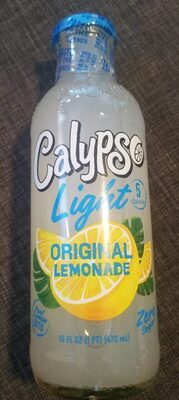 King Juice Co.Of Wis.Inc.
Light Original Lemonade, Light Original
1kcal
0Protein
0Fat
0.2Carbs
King Juice Co.Of Wis.Inc.
Light Original Lemonade, Light Original
1kcal
0Protein
0Fat
0.2Carbs