Emulsified Palm Shortening
What is Emulsified Palm Shortening?
Emulsified palm shortening is a type of fat made from palm oil. It is processed to have a smooth, solid texture at room temperature. This processing often includes hydrogenation or interesterification to improve its stability and texture.
Is Emulsified Palm Shortening vegan?
Emulsified Palm Shortening is not animal-derived. Products that contain it can still include other animal-derived ingredients, so check the full ingredient list.
Is Emulsified Palm Shortening gluten-free?
Gluten is not present unless added during processing.
Is Emulsified Palm Shortening a major allergen?
Not a major allergen.
What is Emulsified Palm Shortening used for?
Manufacturers use emulsified palm shortening as a fat source in baked goods.
Is Emulsified Palm Shortening safe?
Emulsified palm shortening is generally recognized as safe (GRAS) by the FDA for use in food.
Why it's used
Manufacturers use emulsified palm shortening as a fat source in baked goods. Its solid structure helps create a tender crumb and desirable texture in products like cakes, cookies, and pastries. It also helps prevent ingredients from separating.
Health notes
Emulsified palm shortening is generally recognized as safe (GRAS) by the FDA for use in food. Like other fats, it is calorie-dense. Regulatory bodies like JECFA and EFSA have evaluated fats and oils, but specific evaluations for this exact formulation may vary. Diets high in saturated fats, which can be present in palm oil, are associated with increased risk of heart disease.
Allergen info
Not a major allergen. Palm oil itself is not one of the nine major allergens. Gluten is not present unless added during processing.
Foods that contain Emulsified Palm Shortening
Compare products →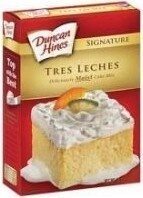 Pinnacle Foods Group LLC
Tres Leches Flavored Perfectly Moist Cake Mix, Tres Leches
High in added sugars — 32% DV per serving
412kcal
2.9Protein
8.8Fat
79.4Carbs
Pinnacle Foods Group LLC
Tres Leches Flavored Perfectly Moist Cake Mix, Tres Leches
High in added sugars — 32% DV per serving
412kcal
2.9Protein
8.8Fat
79.4Carbs
 Pinnacle Foods Group LLC
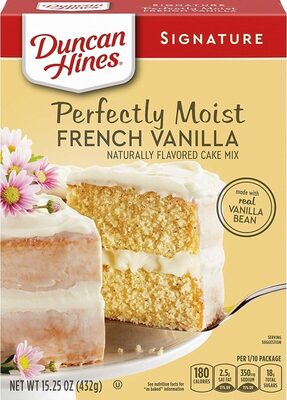
Perfectly Moist French Vanilla Flavored Cake Mix, Perfectly Moist French Vanilla
High in added sugars — 38% DV per serving
395kcal
2.3Protein
7.0Fat
81.4Carbs
Pinnacle Foods Group LLC
Perfectly Moist French Vanilla Flavored Cake Mix, Perfectly Moist French Vanilla
High in added sugars — 38% DV per serving
395kcal
2.3Protein
7.0Fat
81.4Carbs
 Pinnacle Foods Group LLC
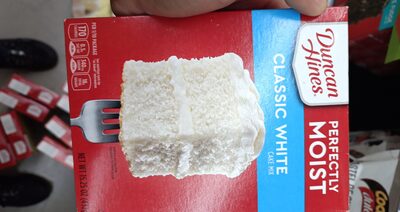
Classic White Cake Mix, Classic White
High in added sugars — 36% DV per serving
395kcal
2.3Protein
9.3Fat
79.1Carbs
Pinnacle Foods Group LLC
Devil's Food Deliciously Moist Cake Mix, Devil's Food
High in added sugars — 38% DV per serving
395kcal
4.7Protein
9.3Fat
76.7Carbs
Pinnacle Foods Group LLC
Deliciously Moist Cake Mix, Classic Yellow
High in added sugars — 38% DV per serving
419kcal
2.3Protein
9.3Fat
79.1Carbs
Pinnacle Foods Group LLC
Classic White Cake Mix, Classic White
High in added sugars — 36% DV per serving
395kcal
2.3Protein
9.3Fat
79.1Carbs
Pinnacle Foods Group LLC
Devil's Food Deliciously Moist Cake Mix, Devil's Food
High in added sugars — 38% DV per serving
395kcal
4.7Protein
9.3Fat
76.7Carbs
Pinnacle Foods Group LLC
Deliciously Moist Cake Mix, Classic Yellow
High in added sugars — 38% DV per serving
419kcal
2.3Protein
9.3Fat
79.1Carbs
Learn more
Auto-generated content. This description was generated automatically and is pending editorial review. Inaccuracies are possible. Found a mistake? Contact us.