Enriched Noodles
What is Enriched Noodles?
Enriched noodles are a type of pasta made from refined flour, most commonly wheat flour. During the enrichment process, essential nutrients such as B vitamins (folic acid, niacin, riboflavin, thiamine) and iron are added back to the flour after being lost during processing.
Is Enriched Noodles vegan?
No. Enriched Noodles is animal-derived, so it is not vegan.
Is Enriched Noodles a major allergen?
Enriched noodles are typically made from wheat, which is one of the nine major food allergens.
What is Enriched Noodles used for?
Manufacturers use enriched noodles to provide bulk, texture, and a source of carbohydrates in a variety of food products.
Is Enriched Noodles safe?
Enriched noodles are a food product, not a food additive, and are regulated by the FDA as a staple food item.
Why it's used
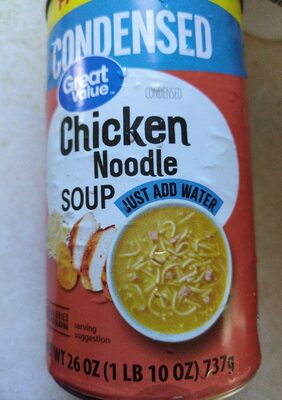
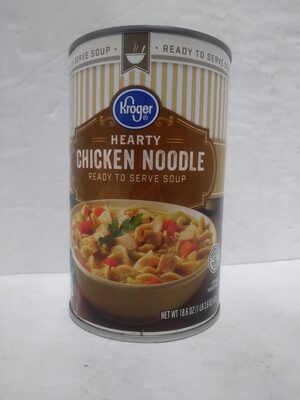
Manufacturers use enriched noodles to provide bulk, texture, and a source of carbohydrates in a variety of food products. They are a common ingredient in prepared meals, especially canned and other types of soups, where they absorb flavors and contribute to the dish's substance.
Health notes
Enriched noodles are a food product, not a food additive, and are regulated by the FDA as a staple food item. The enrichment process ensures that important nutrients are restored to refined grain products. As part of a balanced diet, enriched noodles provide carbohydrates for energy. There are no specific health controversies associated with enriched noodles themselves, beyond general dietary considerations for carbohydrate intake.
Allergen info
Enriched noodles are typically made from wheat, which is one of the nine major food allergens. Many noodle recipes also include egg, another major allergen.
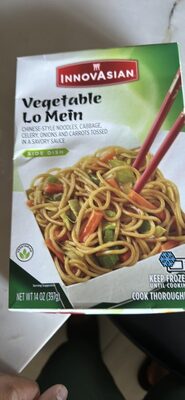
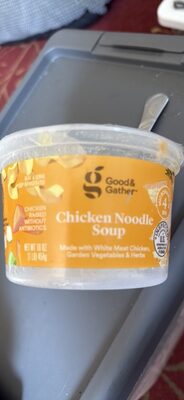
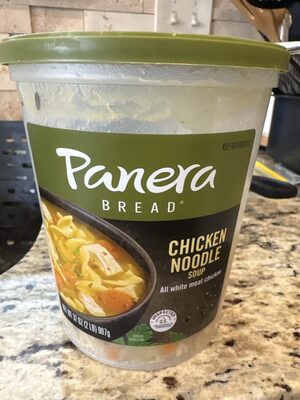
Foods that contain Enriched Noodles
Compare products →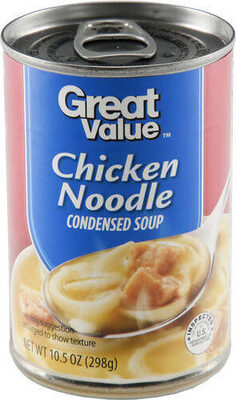
Learn more
Auto-generated content. This description was generated automatically and is pending editorial review. Inaccuracies are possible. Found a mistake? Contact us.