Enriched Unbleached And Unbromated Flour
Auto-generated content. This description was generated automatically and is pending editorial review. Inaccuracies are possible. Found a mistake? Contact us.
What it is
Enriched unbleached and unbromated flour is a type of flour that has had certain nutrients, such as B vitamins and iron, added back to it after milling (enriched). It has not been treated with chemical bleaching agents (unbleached) or with potassium bromate (unbromated), a flour improver.
Why it's used
This flour is primarily used as a base ingredient in a wide range of baked goods, providing structure and bulk. It is commonly found in breads, rolls, pastries, and other dough-based products.
Health notes
Flour is a staple food ingredient, generally recognized as safe. The enrichment of flour with essential nutrients like iron and B vitamins is mandated by the FDA for certain flours to address public health needs. This specific flour is labeled 'unbromated,' meaning it does not contain potassium bromate, a flour treatment agent that some consumers choose to avoid. Potassium bromate is permitted by the FDA as a food additive, though JECFA has stated it is not appropriate as a flour treatment agent and did not set an acceptable daily intake; California will ban potassium bromate from 2027. Unbleached flour is not treated with chemical bleaching agents, which some consumers prefer.
Allergen info
This flour is typically made from wheat, which is one of the nine major food allergens identified by the FDA. It contains gluten.
Products containing Enriched Unbleached And Unbromated Flour
Compare products →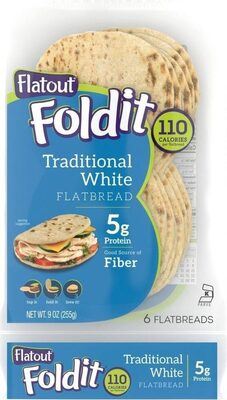 T. Marzetti Company
Artisan Flatbreads, Traditional White
233kcal
13.9Protein
2.3Fat
44.2Carbs
T. Marzetti Company
Italian Herb Soft & No Crust Flatbread, Italian Herb
228kcal
12.3Protein
3.5Fat
42.1Carbs
T. Marzetti Company
Foldit, Rosemary & Olive Oil Flatbread, Rosemary & Olive Oil
233kcal
13.9Protein
2.3Fat
46.5Carbs
T. Marzetti Company
Garden Spinach Soft & No Crust Flatbread, Garden Spinach
228kcal
12.3Protein
3.5Fat
43.9Carbs
T. Marzetti Company
Artisan Flatbreads, Traditional White
233kcal
13.9Protein
2.3Fat
44.2Carbs
T. Marzetti Company
Italian Herb Soft & No Crust Flatbread, Italian Herb
228kcal
12.3Protein
3.5Fat
42.1Carbs
T. Marzetti Company
Foldit, Rosemary & Olive Oil Flatbread, Rosemary & Olive Oil
233kcal
13.9Protein
2.3Fat
46.5Carbs
T. Marzetti Company
Garden Spinach Soft & No Crust Flatbread, Garden Spinach
228kcal
12.3Protein
3.5Fat
43.9Carbs
 T. Marzetti Company
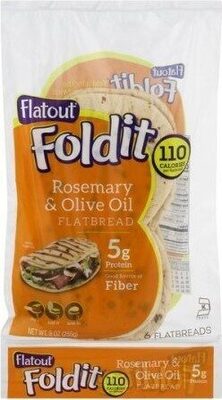
Rosemary & Olive Oil Foldit Artisan Flatbreads, Rosemary & Olive Oil
233kcal
13.9Protein
2.3Fat
46.5Carbs
T. Marzetti Company
Rosemary & Olive Oil Foldit Artisan Flatbreads, Rosemary & Olive Oil
233kcal
13.9Protein
2.3Fat
46.5Carbs