Fumaric Acid
What is Fumaric Acid?
Fumaric acid is a white, crystalline organic acid that occurs naturally in some plants, such as bolete mushrooms and lichen. For use in food, it is typically produced through chemical synthesis or fermentation processes. It is known for its strong tart taste.
Is Fumaric Acid vegan?
Fumaric Acid is not animal-derived. Products that contain it can still include other animal-derived ingredients, so check the full ingredient list.
Is Fumaric Acid a major allergen?
Not a major allergen.
What is Fumaric Acid used for?
Manufacturers add fumaric acid to foods primarily as an acidity regulator, flavoring agent, and preservative.
Is Fumaric Acid safe?
Fumaric acid is generally recognized as safe (GRAS) by the U.S. Food and Drug Administration (FDA) for use in food.
Why it's used
Manufacturers add fumaric acid to foods primarily as an acidity regulator, flavoring agent, and preservative. It provides a tart flavor, helps control the pH level of products, and can extend shelf life by inhibiting microbial growth. It is commonly found in candies, beverages, baked goods, and fruit preparations.
Health notes
Fumaric acid is generally recognized as safe (GRAS) by the U.S. Food and Drug Administration (FDA) for use in food. The Joint FAO/WHO Expert Committee on Food Additives (JECFA) has evaluated fumaric acid and established an acceptable daily intake. The European Food Safety Authority (EFSA) has also assessed its safety and concluded it is safe for use as a food additive. There are no notable controversies regarding its safety at typical intake levels.
Allergen info
Not a major allergen.
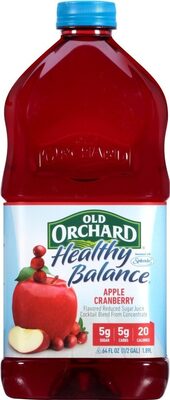
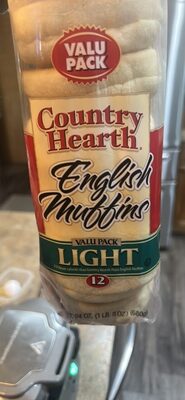
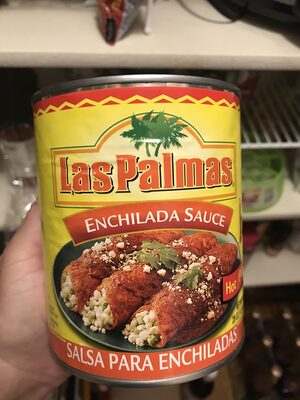
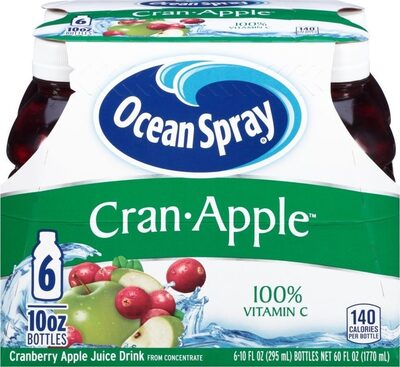
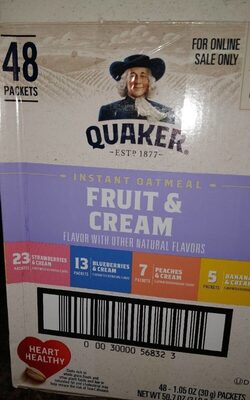
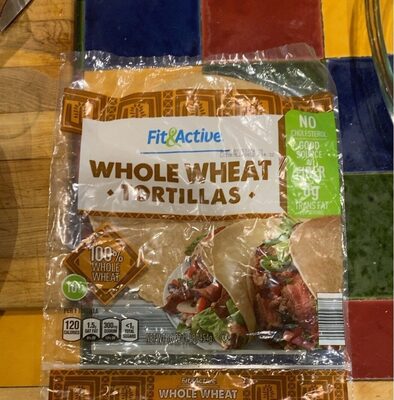
Foods that contain Fumaric Acid
Compare products →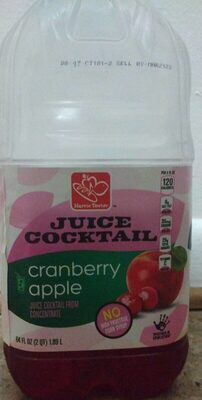
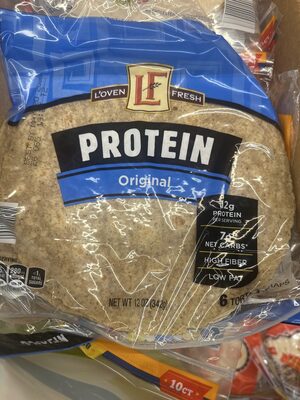
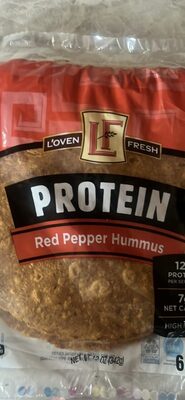 L'Oven Fresh
Red Pepper Hummus Protein Wraps, Red Pepper Hummus
211kcal
21.1Protein
5.3Fat
29.8Carbs


Auto-generated content. This description was generated automatically and is pending editorial review. Inaccuracies are possible. Found a mistake? Contact us.