Enzyme Water
Auto-generated content. This description was generated automatically and is pending editorial review. Inaccuracies are possible. Found a mistake? Contact us.
What it is
Enzyme-modified water is water that has been treated with enzymes to alter its properties. Enzymes are proteins that speed up chemical reactions. These enzymes are typically derived from microbial sources like bacteria or fungi and are used to modify the water's structure or solubility characteristics.
Why it's used
Manufacturers use enzyme-modified water to improve the texture, dough handling, and shelf life of baked goods. It can help create a softer crumb, a more consistent dough, and extend freshness. It is commonly found in breads, buns, and other baked products.
Health notes
Enzyme-modified water is generally considered safe for consumption. In the US, it is typically not regulated as a food additive because the enzymes used are often considered processing aids. International bodies like JECFA have evaluated enzymes used in food processing, but specific evaluations for 'enzyme water' as a distinct ingredient are not common. There are no widespread health concerns associated with its typical use in food.
Allergen info
Not a major allergen. The enzymes used are typically derived from microbial sources, not from the major allergens. Gluten is not a concern.
Products containing Enzyme Water
Compare products →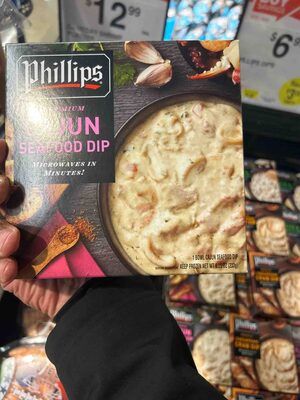 Phillips Foods Inc
Cajun Premium Seafood Dip, Cajun
206kcal
8.8Protein
17.6Fat
5.9Carbs
Three Meat Italian Style Pizza Topping, Pepperoni Made With Pork, Chicken, Beef And Beef Topping With Mozzarella Cheese And Garlic Tomato Sauce On A Mozzarella Stuffed Crust Cheese Pizza, Three Meat
High in sodium — 39% DV per serving
High in saturated fat — 40% DV per serving
260kcal
10.7Protein
12Fat
26.7Carbs
Marie Callender's Retail Foods
Egg, Cheese & Ham Bake Potatoes And Scrambled Eggs Topped With A Creamy Cheese Sauce With Ham Comfort Bakes, Egg, Cheese & Ham Bake
High in sodium — 36% DV per serving
High in saturated fat — 45% DV per serving
High in cholesterol — 58% DV per serving
147kcal
5.8Protein
8.5Fat
12.5Carbs
Phillips Foods Inc
Cajun Premium Seafood Dip, Cajun
206kcal
8.8Protein
17.6Fat
5.9Carbs
Three Meat Italian Style Pizza Topping, Pepperoni Made With Pork, Chicken, Beef And Beef Topping With Mozzarella Cheese And Garlic Tomato Sauce On A Mozzarella Stuffed Crust Cheese Pizza, Three Meat
High in sodium — 39% DV per serving
High in saturated fat — 40% DV per serving
260kcal
10.7Protein
12Fat
26.7Carbs
Marie Callender's Retail Foods
Egg, Cheese & Ham Bake Potatoes And Scrambled Eggs Topped With A Creamy Cheese Sauce With Ham Comfort Bakes, Egg, Cheese & Ham Bake
High in sodium — 36% DV per serving
High in saturated fat — 45% DV per serving
High in cholesterol — 58% DV per serving
147kcal
5.8Protein
8.5Fat
12.5Carbs