Enzymes Color Added
Auto-generated content. This description was generated automatically and is pending editorial review. Inaccuracies are possible. Found a mistake? Contact us.
What it is
Enzymes are proteins that help speed up chemical reactions. They can be produced by plants, animals, or microorganisms like bacteria and fungi. In food production, enzymes are often isolated from these sources or produced through fermentation.
Why it's used
Enzymes are used in food processing for a variety of purposes, such as aiding in cheese making, improving dough texture in baking, or clarifying juices. They can act as processing aids, meaning they perform a function during manufacturing but are not intended to remain in the final product. They are commonly found in dairy products and processed foods.
Health notes
Enzymes used as food processing aids are generally considered safe by the FDA. Many have achieved Generally Recognized As Safe (GRAS) status. International bodies like JECFA have evaluated many enzymes, often finding them to be safe for their intended use. At typical consumption levels, they are not expected to pose health risks. There are no widespread controversies regarding their safety.
Allergen info
Enzymes themselves are proteins and can be derived from various sources, including major allergens like milk, soy, or wheat. Manufacturers must declare if an enzyme preparation contains or is derived from a major allergen. Gluten may be present if the enzyme is produced using wheat-based fermentation media.
Products containing Enzymes Color Added
Compare products →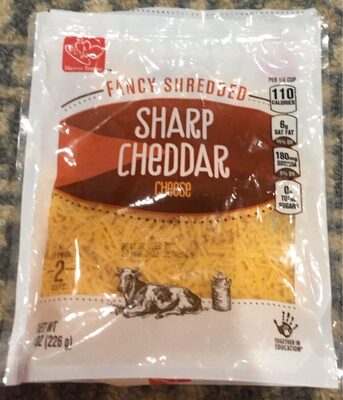 Harris-Teeter Inc.
Sharp Cheddar Cheese, Sharp Cheddar
High in saturated fat — 30% DV per serving
393kcal
0Protein
32.1Fat
0Carbs
Harris-Teeter Inc.
Sharp Cheddar Cheese, Sharp Cheddar
High in saturated fat — 30% DV per serving
393kcal
0Protein
32.1Fat
0Carbs
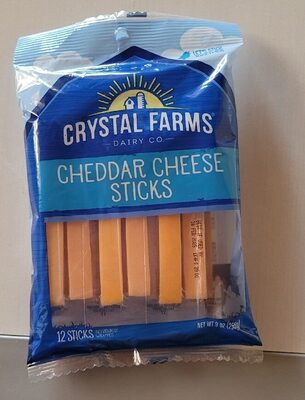 Milton G. Waldbaum Company
Cheddar Cheese Sticks, Cheddar
High in saturated fat — 20% DV per serving
429kcal
23.8Protein
33.3Fat
4.8Carbs
Kanani Foods Inc.
Bistro Box
High in saturated fat — 45% DV per serving
High in cholesterol — 131% DV per serving
191kcal
11.1Protein
14.1Fat
7.5Carbs
Milton G. Waldbaum Company
Cheddar Cheese Sticks, Cheddar
High in saturated fat — 20% DV per serving
429kcal
23.8Protein
33.3Fat
4.8Carbs
Kanani Foods Inc.
Bistro Box
High in saturated fat — 45% DV per serving
High in cholesterol — 131% DV per serving
191kcal
11.1Protein
14.1Fat
7.5Carbs
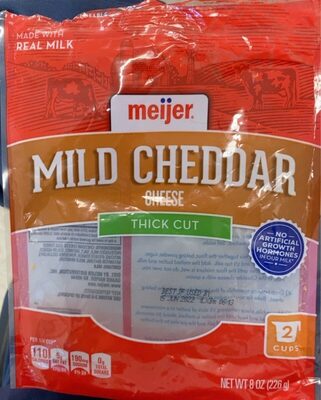 Meijer, Inc.
Mild Cheddar Thick Cut Cheese, Mild Cheddar
High in saturated fat — 25% DV per serving
393kcal
21.4Protein
32.1Fat
3.6Carbs
Meijer, Inc.
Mild Cheddar Thick Cut Cheese, Mild Cheddar
High in saturated fat — 25% DV per serving
393kcal
21.4Protein
32.1Fat
3.6Carbs
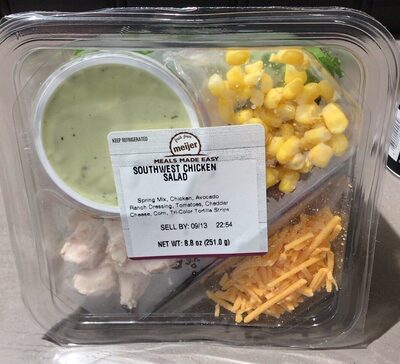 Meijer, Inc.
Southwest Chicken Spring Mix, Chicken, Spicy Ranch Dressing, Grape Tomatoes, Cheddar Cheese, Corn, Tri-Color Tortilla Strips Salad, Southwest Chicken
High in sodium — 37% DV per serving
High in saturated fat — 40% DV per serving
High in cholesterol — 25% DV per serving
173kcal
8.2Protein
12.2Fat
7.5Carbs
Meijer, Inc.
Southwest Chicken Spring Mix, Chicken, Spicy Ranch Dressing, Grape Tomatoes, Cheddar Cheese, Corn, Tri-Color Tortilla Strips Salad, Southwest Chicken
High in sodium — 37% DV per serving
High in saturated fat — 40% DV per serving
High in cholesterol — 25% DV per serving
173kcal
8.2Protein
12.2Fat
7.5Carbs