Ethylvanillin
Auto-generated content. This description was generated automatically and is pending editorial review. Inaccuracies are possible. Found a mistake? Contact us.
What it is
Ethylvanillin is a synthetic flavoring agent that is chemically similar to vanillin, the primary component of natural vanilla bean extract. It is produced through chemical synthesis, often starting from compounds like eugenol or guaiacol. Ethylvanillin provides a stronger, more intense vanilla-like aroma and flavor than natural vanillin.
Why it's used
Manufacturers add ethylvanillin to foods to impart a vanilla flavor. It is frequently used in baked goods such as cakes and cupcakes, as well as in candies, chocolates, and snack cakes. Its potent flavor allows for lower usage levels compared to natural vanilla extract.
Health notes
Ethylvanillin is generally recognized as safe (GRAS) by the FDA for use as a flavoring agent. International bodies like JECFA have evaluated ethylvanillin and established acceptable daily intakes. At typical consumption levels found in food, it is not associated with adverse health effects. Research has not indicated significant health concerns related to its use as a food additive.
Allergen info
Ethylvanillin is a synthetic compound and is not derived from any of the nine FDA major allergens. It does not contain gluten.
Products containing Ethylvanillin
Compare products →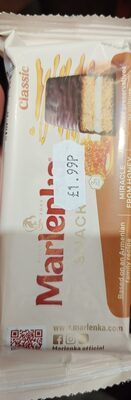 MARLENKA
Snack
High in saturated fat — 45% DV per serving
470kcal
5Protein
27.5Fat
47.5Carbs
MARLENKA
Snack
High in saturated fat — 45% DV per serving
470kcal
5Protein
27.5Fat
47.5Carbs
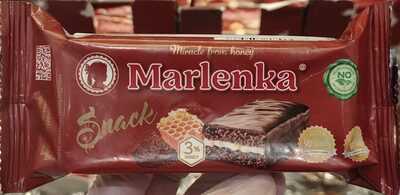 MARLENKA
Snack Bar
High in saturated fat — 35% DV per serving
472kcal
5Protein
27.5Fat
50Carbs
MARLENKA
Snack Bar
High in saturated fat — 35% DV per serving
472kcal
5Protein
27.5Fat
50Carbs
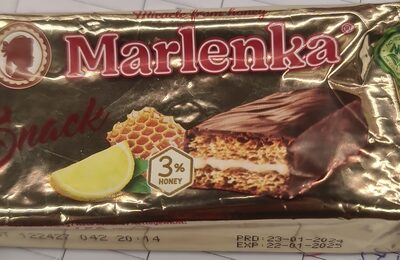 MARLENKA
Snack Medovy
High in saturated fat — 40% DV per serving
465kcal
5Protein
27.5Fat
47.5Carbs
Compania Nacional De Chocolates S.A.S.
Milk Chocolate With Peanuts
High in saturated fat — 30% DV per serving
575kcal
10Protein
37.5Fat
47.5Carbs
Thomas Brothers Ham Company
Zpc Milanowek, Luxury Cream Fudge
384kcal
4Protein
7Fat
62Carbs
Compania Nacional De Chocolates S.A.S.
Instant Drink Mix
300kcal
5Protein
0Fat
90Carbs
Smart & Final Iris Corporation
Cotton Candy Snow Cone Syrup, Cotton Candy
High in added sugars — 54% DV per serving
267kcal
0Protein
0Fat
66.7Carbs
MARLENKA
Snack Medovy
High in saturated fat — 40% DV per serving
465kcal
5Protein
27.5Fat
47.5Carbs
Compania Nacional De Chocolates S.A.S.
Milk Chocolate With Peanuts
High in saturated fat — 30% DV per serving
575kcal
10Protein
37.5Fat
47.5Carbs
Thomas Brothers Ham Company
Zpc Milanowek, Luxury Cream Fudge
384kcal
4Protein
7Fat
62Carbs
Compania Nacional De Chocolates S.A.S.
Instant Drink Mix
300kcal
5Protein
0Fat
90Carbs
Smart & Final Iris Corporation
Cotton Candy Snow Cone Syrup, Cotton Candy
High in added sugars — 54% DV per serving
267kcal
0Protein
0Fat
66.7Carbs