Expeller Pressed Organic Canola Oil
What is Expeller Pressed Organic Canola Oil?
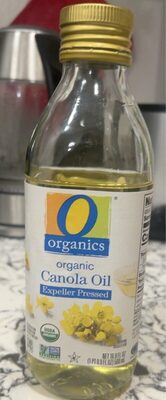
Expeller pressed organic canola oil is a vegetable oil made from the seeds of the canola plant. The 'expeller pressed' method means the oil is extracted using mechanical pressure without the use of chemical solvents. 'Organic' signifies that the canola seeds were grown without synthetic pesticides or fertilizers.
Is Expeller Pressed Organic Canola Oil vegan?
Expeller Pressed Organic Canola Oil is not animal-derived. Products that contain it can still include other animal-derived ingredients, so check the full ingredient list.
Is Expeller Pressed Organic Canola Oil gluten-free?
It does not contain gluten.
Is Expeller Pressed Organic Canola Oil a major allergen?
Canola is not one of the 9 major allergens.
What is Expeller Pressed Organic Canola Oil used for?
This oil is commonly used in cooking and as an ingredient in salad dressings, baked goods, and processed foods.
Is Expeller Pressed Organic Canola Oil safe?
Canola oil is generally recognized as safe (GRAS) by the FDA for food use.
Why it's used
This oil is commonly used in cooking and as an ingredient in salad dressings, baked goods, and processed foods. Manufacturers add it for its neutral flavor, smooth texture, and ability to act as a base for other ingredients.
Health notes
Canola oil is generally recognized as safe (GRAS) by the FDA for food use. It is a source of monounsaturated and polyunsaturated fats, including omega-3 fatty acids. JECFA and EFSA have evaluated canola oil and its components. While generally considered healthy in moderation as part of a balanced diet, some research explores the effects of different processing methods on its nutritional profile.
Allergen info
Canola is not one of the 9 major allergens. It does not contain gluten.
Foods that contain Expeller Pressed Organic Canola Oil
Compare products →
Learn more
Auto-generated content. This description was generated automatically and is pending editorial review. Inaccuracies are possible. Found a mistake? Contact us.