Extractive Of Spice
What is Extractive Of Spice?
Extractive of spice is a general term for a concentrated flavoring derived from spices. It is produced by extracting the aromatic and flavor compounds from spices using solvents like water, alcohol, or oil. The solvent is then removed, leaving a concentrated liquid or solid extract.
Is Extractive Of Spice a major allergen?
Not a major allergen.
What is Extractive Of Spice used for?
Manufacturers use extractive of spice to add or enhance the flavor of foods.
Is Extractive Of Spice safe?
In the US, extractive of spice is generally recognized as safe (GRAS) by the FDA when used as a flavoring agent.
Why it's used
Manufacturers use extractive of spice to add or enhance the flavor of foods. It provides a more intense and consistent spice flavor compared to using the whole spice. It is commonly found in savory snacks like popcorn, peanuts, and chips, as well as in processed meats and seasonings.
Health notes
In the US, extractive of spice is generally recognized as safe (GRAS) by the FDA when used as a flavoring agent. Regulatory bodies like JECFA have evaluated many spice extracts, often setting acceptable daily intakes. Evidence suggests that consuming spice extracts at typical levels found in food does not pose health risks.
Allergen info
Not a major allergen. However, some spices used to create the extract may be processed in facilities that also handle major allergens, leading to potential cross-contamination.
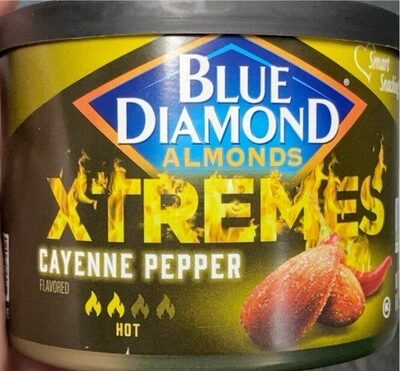
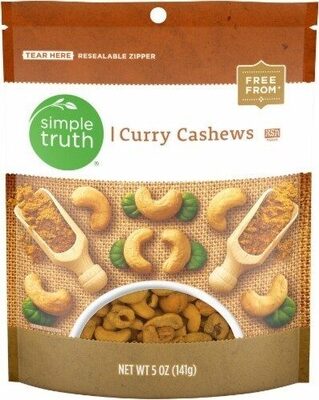
Foods that contain Extractive Of Spice
Compare products →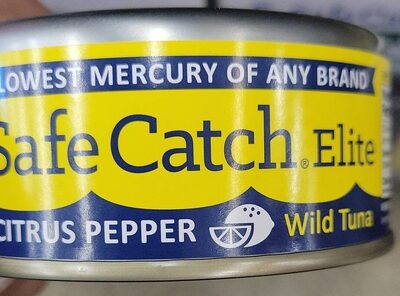






Learn more
Auto-generated content. This description was generated automatically and is pending editorial review. Inaccuracies are possible. Found a mistake? Contact us.