Extracts
What is Extracts?
Extracts are concentrated liquids or powders made by soaking plant materials, such as herbs, spices, fruits, or flowers, in a solvent like alcohol or water. This process pulls out the flavorful or aromatic compounds. The solvent is then removed, leaving behind a potent essence of the original ingredient.
Is Extracts vegan?
Extracts is not animal-derived. Products that contain it can still include other animal-derived ingredients, so check the full ingredient list.
Is Extracts gluten-free?
Gluten is not typically present unless the extract was processed with gluten-containing ingredients or a gluten-containing solvent was used.
Is Extracts a major allergen?
Extracts are not typically considered major allergens unless they are derived from one of the nine major allergens (e.g., an extract made from nuts or soy).
What is Extracts used for?
Manufacturers use extracts to add or enhance flavor and aroma in foods and beverages without adding bulk.
Is Extracts safe?
Extracts are generally considered safe when used as intended for flavoring.
Why it's used
Manufacturers use extracts to add or enhance flavor and aroma in foods and beverages without adding bulk. They are common in baked goods, candies, dairy products, and beverages. Common examples include vanilla extract, almond extract, and peppermint extract.
Health notes
Extracts are generally considered safe when used as intended for flavoring. The FDA considers many common flavoring extracts to be GRAS (Generally Recognized As Safe). Regulatory bodies like the FDA and EFSA do not typically set specific limits for flavor extracts as they are used in very small amounts. Some specific plant extracts may have unique properties or require careful sourcing.
Allergen info
Extracts are not typically considered major allergens unless they are derived from one of the nine major allergens (e.g., an extract made from nuts or soy). Gluten is not typically present unless the extract was processed with gluten-containing ingredients or a gluten-containing solvent was used.
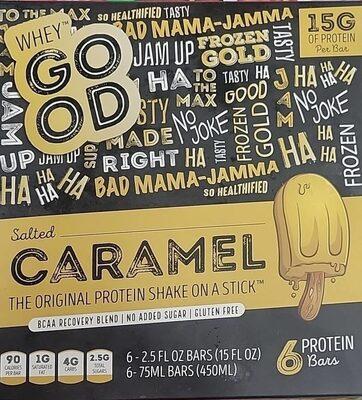
Foods that contain Extracts
Compare products →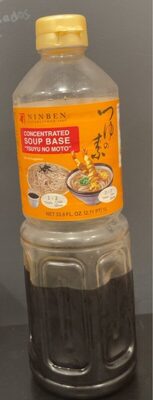
Learn more
Auto-generated content. This description was generated automatically and is pending editorial review. Inaccuracies are possible. Found a mistake? Contact us.