Fair Trade Certified Dutch Processed Cocoa
Auto-generated content. This description was generated automatically and is pending editorial review. Inaccuracies are possible. Found a mistake? Contact us.
What it is
Fair Trade Certified Dutch Processed Cocoa is cocoa powder that has been treated with an alkaline solution to neutralize its acidity. This process, known as Dutching, results in a darker color and a milder, smoother chocolate flavor compared to natural cocoa. The 'Fair Trade Certified' label means the cocoa beans were sourced and produced under standards that promote fair prices and ethical treatment for farmers and workers.
Why it's used
Manufacturers use Dutch-processed cocoa for its deep color and mellow flavor, which is ideal for baked goods, chocolate confections, and beverages. It is often found in products like hot chocolate mixes, chocolate cakes, cookies, and brownies where a rich, less bitter chocolate taste is desired. Its lower acidity also makes it react differently with leavening agents in baking.
Health notes
Cocoa and cocoa products are generally recognized as safe (GRAS) by the FDA. Cocoa contains flavanols, which are plant compounds that may have antioxidant properties. Some research suggests potential cardiovascular benefits associated with regular, moderate consumption of flavanol-rich cocoa products, though more studies are needed. The Joint FAO/WHO Expert Committee on Food Additives (JECFA) has evaluated cocoa and its derivatives. Evidence on the health effects of cocoa is still evolving, and it is not considered a cure or cause of any disease.
Allergen info
Cocoa itself is not one of the nine major allergens. However, it is important to check product labels for potential cross-contamination or added ingredients that may contain allergens.
Products containing Fair Trade Certified Dutch Processed Cocoa
Compare products →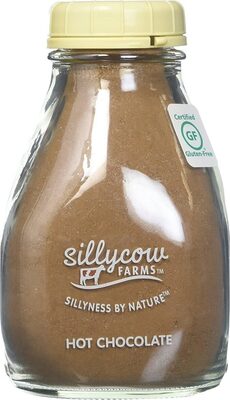 Bread & Chocolate, Inc.
Marshmallow Swirl Hot Chocolate Mix, Chocolate
381kcal
4.8Protein
7.1Fat
81.0Carbs
Bread & Chocolate, Inc.
Marshmallow Swirl Hot Chocolate Mix, Chocolate
381kcal
4.8Protein
7.1Fat
81.0Carbs