Used As An Emulsifier
What is Used As An Emulsifier?
Lecithin is a type of fat that occurs naturally in many foods, including soybeans, sunflower seeds, and eggs. It is often extracted from plant sources like soybeans or sunflower seeds through a process of oil extraction and purification.
Is Used As An Emulsifier gluten-free?
Gluten is not present in lecithin.
Is Used As An Emulsifier a major allergen?
Soy lecithin is derived from soybeans, which is one of the FDA's major allergens.
What is Used As An Emulsifier used for?
Lecithin is used as an emulsifier, meaning it helps to mix ingredients that normally don't combine well, like oil and water.
Is Used As An Emulsifier safe?
In the U.S., lecithin is generally recognized as safe (GRAS) by the FDA when used as a food additive.
Why it's used
Lecithin is used as an emulsifier, meaning it helps to mix ingredients that normally don't combine well, like oil and water. This makes foods smoother and prevents separation. It is commonly found in baked goods, chocolate, margarine, and salad dressings.
Health notes
In the U.S., lecithin is generally recognized as safe (GRAS) by the FDA when used as a food additive. It is a source of choline, an essential nutrient. International bodies like JECFA and EFSA have evaluated lecithin and found it to be safe for consumption. No significant health concerns are associated with typical dietary intake.
Allergen info
Soy lecithin is derived from soybeans, which is one of the FDA's major allergens. Sunflower lecithin is not derived from any of the major allergens. Gluten is not present in lecithin.
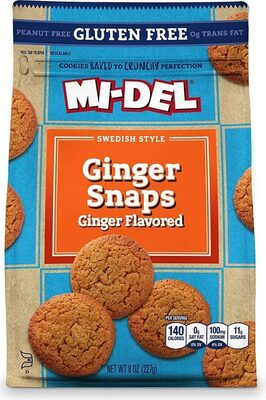
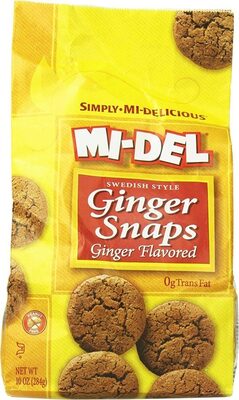
Foods that contain Used As An Emulsifier
Compare products →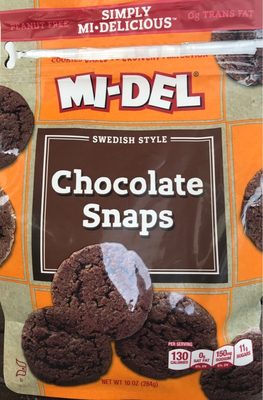
Learn more
Auto-generated content. This description was generated automatically and is pending editorial review. Inaccuracies are possible. Found a mistake? Contact us.