Farfantepenaeus Duorarum
What is Farfantepenaeus Duorarum?
Key West pink shrimp are a species of shrimp native to the Gulf of Mexico and the western Atlantic Ocean. They are a popular variety of shrimp known for their sweet flavor and pinkish hue when cooked. They are typically harvested wild and can be sold fresh or frozen, with or without their shells and heads.
Is Farfantepenaeus Duorarum vegan?
No. Farfantepenaeus Duorarum is animal-derived, so it is not vegan.
Is Farfantepenaeus Duorarum a major allergen?
Shellfish are one of the 9 major food allergens recognized by the FDA.
What is Farfantepenaeus Duorarum used for?
Shrimp are commonly used as a protein source in a wide variety of dishes, from seafood pastas and stir-fries to shrimp cocktails and salads.
Is Farfantepenaeus Duorarum safe?
Shrimp are a source of protein, vitamin B12, and selenium.
Why it's used
Shrimp are commonly used as a protein source in a wide variety of dishes, from seafood pastas and stir-fries to shrimp cocktails and salads. Their mild, sweet flavor makes them versatile for many culinary applications. They are often sold peeled and deveined for convenience in cooking.
Health notes
Shrimp are a source of protein, vitamin B12, and selenium. They are naturally low in fat and contain omega-3 fatty acids. Shrimp are not subject to specific FDA regulations as a food additive. They are a common food allergen, falling under the 'shellfish' category.
Allergen info
Shellfish are one of the 9 major food allergens recognized by the FDA. Individuals with shellfish allergies should avoid consumption.
Foods that contain Farfantepenaeus Duorarum
Compare products →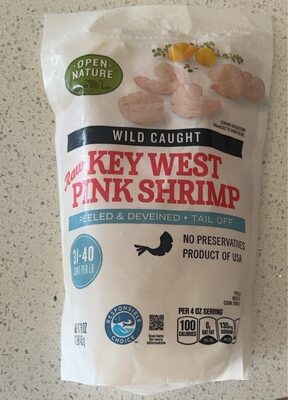 Glencourt Inc.
Wild Caught Peeled & Deveined, Tail Off Raw Key West Pink Shrimp
High in cholesterol — 60% DV per serving
89kcal
20.5Protein
0.5Fat
0Carbs
Glencourt Inc.
Wild Caught Peeled & Deveined, Tail Off Raw Key West Pink Shrimp
High in cholesterol — 60% DV per serving
89kcal
20.5Protein
0.5Fat
0Carbs
 Glencourt Inc.
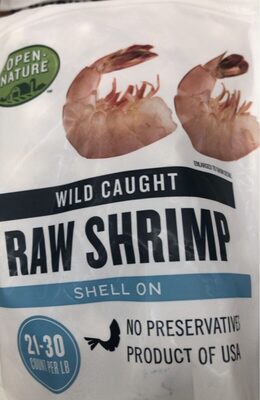
Wild Caught Shell & Tail On Raw Key West Pink Shrimp
High in cholesterol — 60% DV per serving
89kcal
20.5Protein
0.5Fat
0Carbs
Glencourt Inc.
Wild Caught Shell & Tail On Raw Key West Pink Shrimp
High in cholesterol — 60% DV per serving
89kcal
20.5Protein
0.5Fat
0Carbs
 Glencourt Inc.
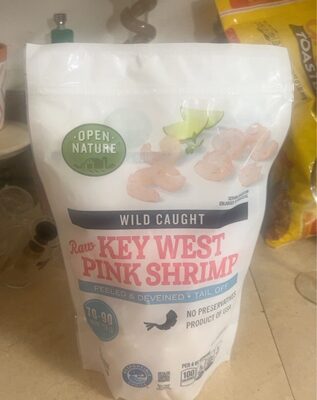
Wild Caught Peeled & Deveined,Tail Off Raw Key West Pink Shrimp
High in cholesterol — 60% DV per serving
89kcal
20.5Protein
0.5Fat
0Carbs
Glencourt Inc.
Wild Caught Shell & Tail On Raw Key West Pink Shrimp
High in cholesterol — 60% DV per serving
89kcal
20.5Protein
0.5Fat
0Carbs
Glencourt Inc.
Wild Caught Peeled & Deveined,Tail Off Raw Key West Pink Shrimp
High in cholesterol — 60% DV per serving
89kcal
20.5Protein
0.5Fat
0Carbs
Glencourt Inc.
Wild Caught Shell & Tail On Raw Key West Pink Shrimp
High in cholesterol — 60% DV per serving
89kcal
20.5Protein
0.5Fat
0Carbs
Learn more
Auto-generated content. This description was generated automatically and is pending editorial review. Inaccuracies are possible. Found a mistake? Contact us.