Fava Bean Crisps
What is Fava Bean Crisps?
Fava beans, also known as broad beans, are a type of legume native to the Mediterranean region and the Middle East. Fava bean crisps are typically made by processing fava beans into a flour or paste, which is then baked or fried to create a crunchy snack.
Is Fava Bean Crisps vegan?
Fava Bean Crisps is not animal-derived. Products that contain it can still include other animal-derived ingredients, so check the full ingredient list.
Is Fava Bean Crisps gluten-free?
They do not contain gluten.
Is Fava Bean Crisps a major allergen?
Fava beans are legumes and are not one of the 9 major allergens.
What is Fava Bean Crisps used for?
Fava bean crisps are primarily used as a snack food, offering a savory and crunchy alternative to traditional chips or crackers.
Is Fava Bean Crisps safe?
Fava beans are a good source of protein, fiber, and various vitamins and minerals.
Why it's used
Fava bean crisps are primarily used as a snack food, offering a savory and crunchy alternative to traditional chips or crackers. They can also be incorporated into snack bars or used as a base for dips and spreads, adding a protein and fiber boost.
Health notes
Fava beans are a good source of protein, fiber, and various vitamins and minerals. They are generally recognized as safe (GRAS) by the FDA for use in food. While generally healthy, individuals with a rare genetic condition called G6PD deficiency should avoid fava beans as they can trigger a severe reaction known as favism. JECFA and EFSA have not specifically evaluated fava bean crisps as a distinct ingredient, but fava beans themselves are a common foodstuff.
Allergen info
Fava beans are legumes and are not one of the 9 major allergens. They do not contain gluten.
Foods that contain Fava Bean Crisps
Compare products →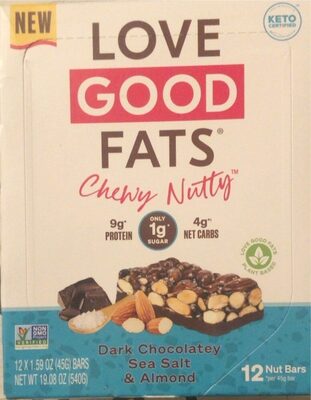 CV Linens
Dark Chocolatey Sea Salt & Almond Chewy-Nutty Nut Bars, Dark Chocolatey Sea Salt & Almond
450kcal
20Protein
32.5Fat
37.5Carbs
CV Linens
Dark Chocolatey Sea Salt & Almond Chewy-Nutty Nut Bars, Dark Chocolatey Sea Salt & Almond
450kcal
20Protein
32.5Fat
37.5Carbs
 CV Linens
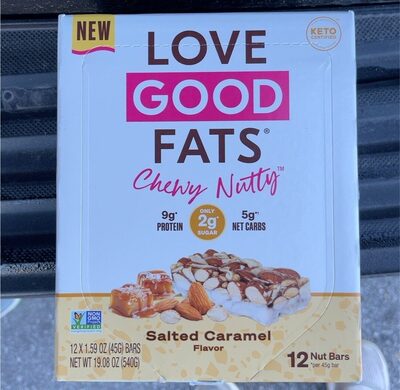
Salted Caramel Nut Bars, Salted Caramel
High in saturated fat — 20% DV per serving
450kcal
20Protein
32.5Fat
37.5Carbs
CV Linens
Salted Caramel Flavor Chewy-Nutty Bars, Salted Caramel
High in saturated fat — 20% DV per serving
450kcal
20Protein
32.5Fat
37.5Carbs
CV Linens
Dark Chocolatey Sea Salt & Almond Chewy-Nutty Nut Bars, Dark Chocolatey Sea Salt & Almond
450kcal
20Protein
32.5Fat
37.5Carbs
CV Linens
Salted Caramel Nut Bars, Salted Caramel
High in saturated fat — 20% DV per serving
450kcal
20Protein
32.5Fat
37.5Carbs
CV Linens
Salted Caramel Flavor Chewy-Nutty Bars, Salted Caramel
High in saturated fat — 20% DV per serving
450kcal
20Protein
32.5Fat
37.5Carbs
CV Linens
Dark Chocolatey Sea Salt & Almond Chewy-Nutty Nut Bars, Dark Chocolatey Sea Salt & Almond
450kcal
20Protein
32.5Fat
37.5Carbs
Learn more
Auto-generated content. This description was generated automatically and is pending editorial review. Inaccuracies are possible. Found a mistake? Contact us.