Fermented Sourdough Starter
What is Fermented Sourdough Starter?
Fermented sourdough starter is a live culture of wild yeasts and bacteria, typically lactobacilli, that naturally occur in flour and the environment. It is created by mixing flour and water and allowing it to ferment over several days, developing a tangy flavor and leavening properties.
Is Fermented Sourdough Starter vegan?
Fermented Sourdough Starter is not animal-derived. Products that contain it can still include other animal-derived ingredients, so check the full ingredient list.
Is Fermented Sourdough Starter gluten-free?
Sourdough starter is derived from wheat flour, which contains gluten.
What is Fermented Sourdough Starter used for?
Manufacturers use sourdough starter primarily as a natural leavening agent in baked goods like breads and buns, giving them a characteristic tangy flavor and chewy texture.
Is Fermented Sourdough Starter safe?
Fermented sourdough starter is generally recognized as safe (GRAS) by the FDA for use in food.
Why it's used
Manufacturers use sourdough starter primarily as a natural leavening agent in baked goods like breads and buns, giving them a characteristic tangy flavor and chewy texture. It can also contribute to the preservation of baked goods by lowering their pH.
Health notes
Fermented sourdough starter is generally recognized as safe (GRAS) by the FDA for use in food. The fermentation process can break down gluten and phytic acid in the flour, potentially making the bread easier to digest and nutrients more available. International bodies like EFSA have not specifically evaluated sourdough starter as a distinct food additive.
Allergen info
Sourdough starter is derived from wheat flour, which contains gluten. Therefore, it is not suitable for individuals with celiac disease or gluten sensitivity.
Foods that contain Fermented Sourdough Starter
Compare products →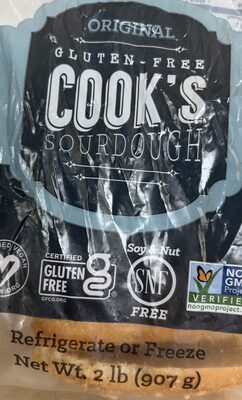
Auto-generated content. This description was generated automatically and is pending editorial review. Inaccuracies are possible. Found a mistake? Contact us.