Flour Enriched With Niacin
Auto-generated content. This description was generated automatically and is pending editorial review. Inaccuracies are possible. Found a mistake? Contact us.
What it is
Enriched flour is typically wheat flour that has had certain nutrients added back after they were removed during processing. Niacin, also known as vitamin B3, is one of these essential nutrients, along with iron, thiamin, riboflavin, and folic acid. It is produced by milling grains and then supplementing with these vitamins and minerals.
Why it's used
Manufacturers add enriched flour to a wide variety of baked goods, pasta, and other processed foods as a primary ingredient. The enrichment with niacin and other B vitamins helps restore nutrients lost during the milling process and prevent nutrient deficiencies in the population.
Health notes
Enriched flour is widely used in the US, with enrichment mandated by the FDA for certain flours to ensure public health. Niacin is an essential vitamin, and its deficiency can lead to pellagra. The US National Academies have established Upper Intake Levels for niacin, and at typical dietary intake levels from enriched foods, niacin is generally considered safe. JECFA has evaluated niacin and established an acceptable daily intake.
Allergen info
Flour, particularly wheat flour, contains gluten and is considered one of the nine major food allergens identified by the FDA.
Products containing Flour Enriched With Niacin
Compare products →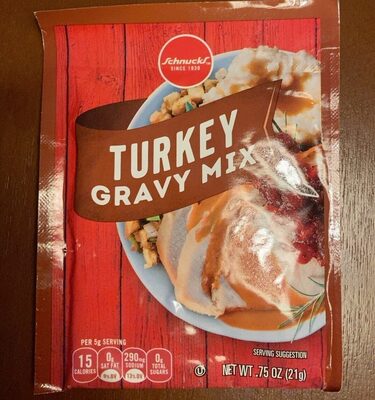 Schnuck Markets, Inc.
Turkey Gravy Mix, Turkey
300kcal
0Protein
0Fat
60Carbs
Gel Spice Company Inc
Beef Stew Seasoning Mix, Beef Stew
250kcal
0Protein
0Fat
50Carbs
Gel Spice Company Inc
Chicken Gravy Mix, Chicken
286kcal
14.3Protein
0Fat
57.1Carbs
Schnuck Markets, Inc.
Turkey Gravy Mix, Turkey
300kcal
0Protein
0Fat
60Carbs
Gel Spice Company Inc
Beef Stew Seasoning Mix, Beef Stew
250kcal
0Protein
0Fat
50Carbs
Gel Spice Company Inc
Chicken Gravy Mix, Chicken
286kcal
14.3Protein
0Fat
57.1Carbs