Flour Improving Agent
What is Flour Improving Agent?
Flour improving agents are substances added to flour or dough to enhance its baking properties. These agents can strengthen the dough, improve its elasticity, and help it rise better. They are often used to achieve a consistent texture and volume in baked goods.
Is Flour Improving Agent a major allergen?
Whether a flour improving agent is derived from a major allergen depends entirely on the specific substance used.
What is Flour Improving Agent used for?
Manufacturers add flour improving agents to optimize the dough's structure and performance during baking.
Is Flour Improving Agent safe?
The regulatory status and health implications of flour improving agents vary depending on the specific substance used.
Why it's used
Manufacturers add flour improving agents to optimize the dough's structure and performance during baking. They are commonly found in products like breads, pastries, cookies, and snack bars to ensure consistent quality and desired texture.
Health notes
The regulatory status and health implications of flour improving agents vary depending on the specific substance used. Many are considered safe for their intended use by the FDA, such as ascorbic acid, which is generally recognized as safe (GRAS). Azodicarbonamide (ADA) is an FDA-approved additive, though it is not authorized in the EU. Potassium bromate is also permitted by the FDA, but California will ban it from 2027, and JECFA has stated it is not appropriate as a flour treatment agent.
Allergen info
Whether a flour improving agent is derived from a major allergen depends entirely on the specific substance used. Some enzymes, for example, may be derived from wheat, while others are not.
Foods that contain Flour Improving Agent
Compare products →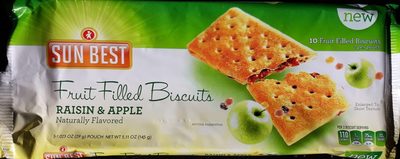

Auto-generated content. This description was generated automatically and is pending editorial review. Inaccuracies are possible. Found a mistake? Contact us.