Ammonium Bicarbonate
What is Ammonium Bicarbonate?
Ammonium bicarbonate is an inorganic salt, a chemical compound with the formula NH₄HCO₃. It is produced by combining carbon dioxide and ammonia. This white, crystalline powder is also known as baker's ammonia or hartshorn.
Is Ammonium Bicarbonate vegan?
Ammonium Bicarbonate is not animal-derived. Products that contain it can still include other animal-derived ingredients, so check the full ingredient list.
Is Ammonium Bicarbonate a major allergen?
Not a major allergen.
What is Ammonium Bicarbonate used for?
It is primarily used as a leavening agent in baked goods.
Is Ammonium Bicarbonate safe?
Ammonium bicarbonate is generally recognized as safe (GRAS) by the U.S. Food and Drug Administration (FDA) for use in food.
Why it's used
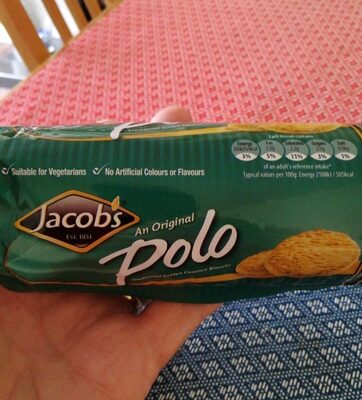
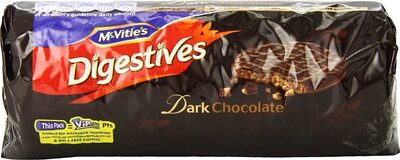
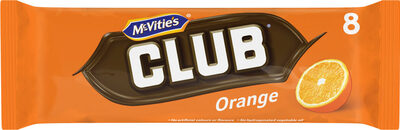
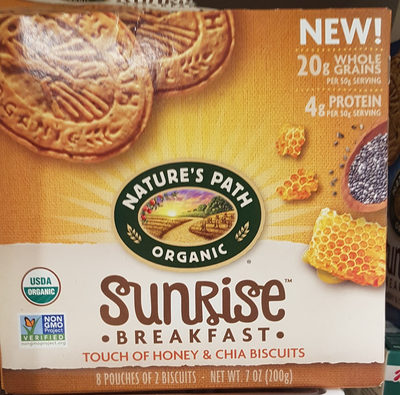
It is primarily used as a leavening agent in baked goods. When heated, it breaks down into carbon dioxide, ammonia, and water, creating a light and airy texture. It is especially favored for thin, crisp products like cookies, crackers, and biscuits, as the ammonia gas can easily escape during baking.
Health notes
Ammonium bicarbonate is generally recognized as safe (GRAS) by the U.S. Food and Drug Administration (FDA) for use in food. The Joint FAO/WHO Expert Committee on Food Additives (JECFA) has evaluated it and did not set a numeric acceptable daily intake (ADI not specified), considering it safe at typical usage levels. During baking, it decomposes completely, leaving no residue in the final product. There are no notable health controversies associated with its use as a food additive.
Allergen info
Not a major allergen.
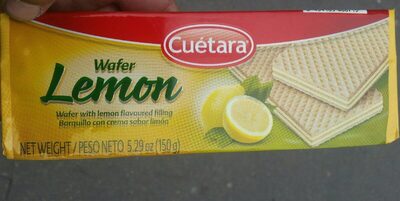
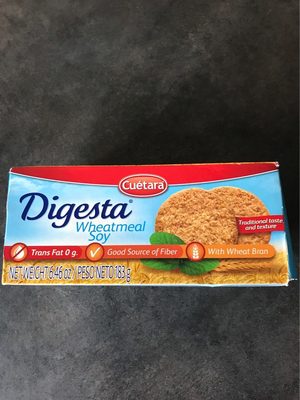
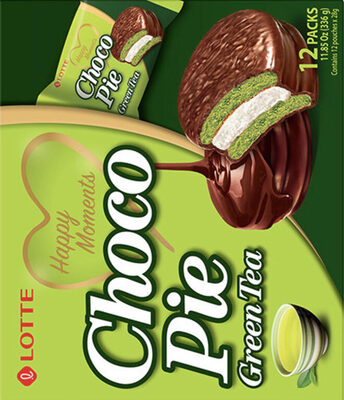
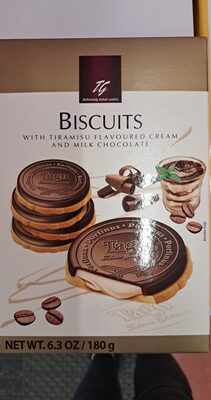
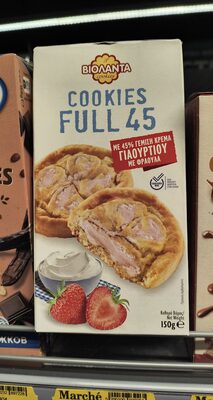
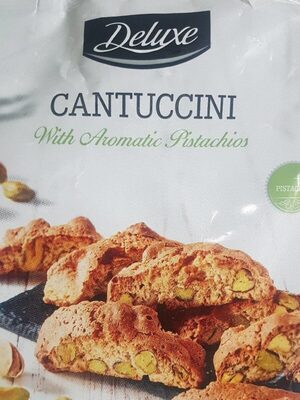
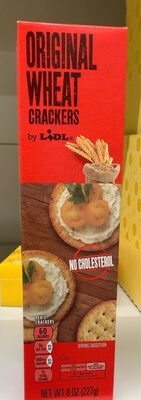
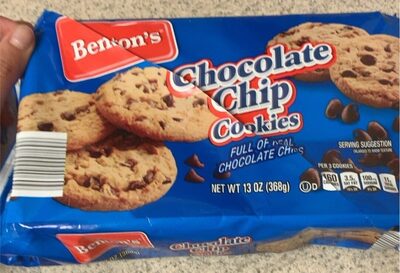
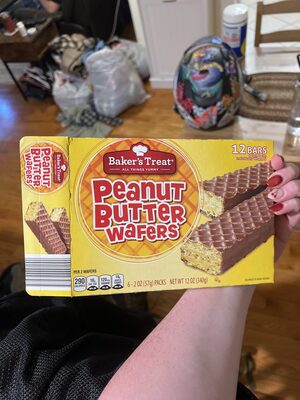
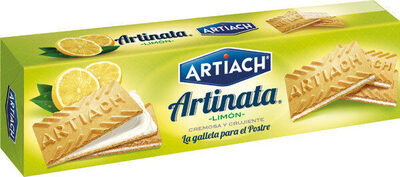
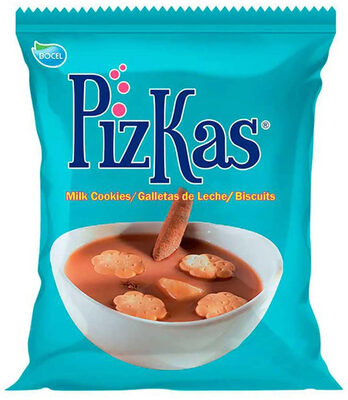
Foods that contain Ammonium Bicarbonate
Compare products →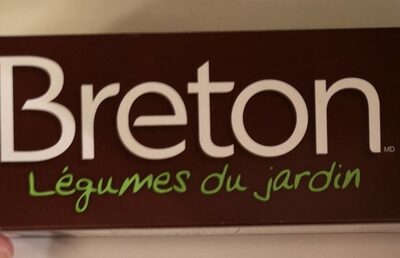
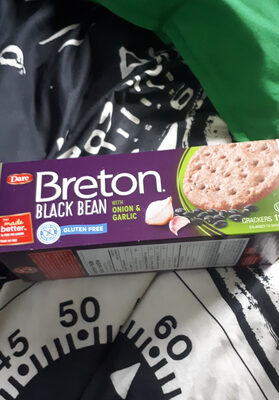
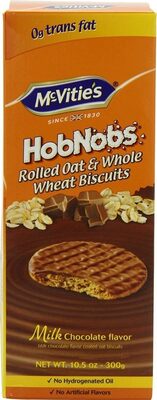
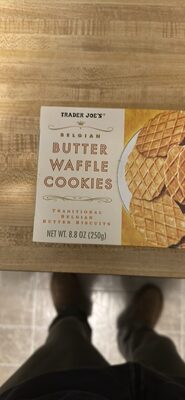
Auto-generated content. This description was generated automatically and is pending editorial review. Inaccuracies are possible. Found a mistake? Contact us.