Whey Powder
What is Whey Powder?
Whey powder is a dairy ingredient made from whey, which is the liquid remaining after milk has been curdled and strained during cheesemaking. This liquid is then dried to create a powder. It contains lactose, proteins, minerals, and some fat.
Is Whey Powder vegan?
No. Whey Powder is animal-derived, so it is not vegan.
Is Whey Powder a major allergen?
Whey powder is derived from milk, which is one of the nine major food allergens identified by the FDA.
What is Whey Powder used for?
Manufacturers add whey powder to foods for its nutritional value, including protein, and to enhance flavor and texture.
Is Whey Powder safe?
Whey powder is generally recognized as safe (GRAS) by the U.S. Food and Drug Administration (FDA) for use in food.
Why it's used
Manufacturers add whey powder to foods for its nutritional value, including protein, and to enhance flavor and texture. It can improve moisture retention in baked goods, contribute to browning, and act as an emulsifier. It's commonly found in baked goods, snacks, dairy products, and protein supplements.
Health notes
Whey powder is generally recognized as safe (GRAS) by the U.S. Food and Drug Administration (FDA) for use in food. As a common food ingredient derived from milk, it is widely consumed and considered safe for most people. JECFA and EFSA have not established specific acceptable daily intake (ADI) limits for whey powder as a food additive, as it is primarily regarded as a food ingredient.
Allergen info
Whey powder is derived from milk, which is one of the nine major food allergens identified by the FDA.
Foods that contain Whey Powder
Compare products →



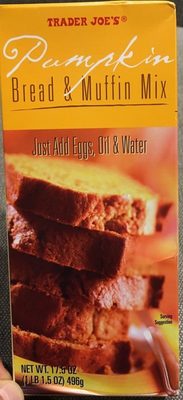
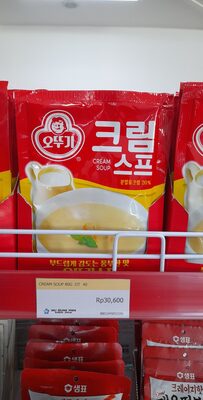


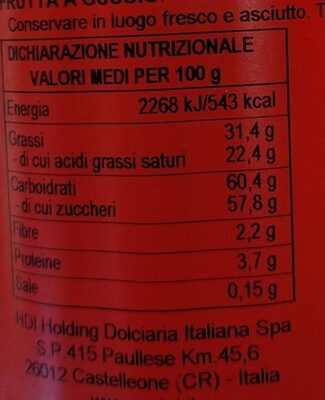






Learn more
Auto-generated content. This description was generated automatically and is pending editorial review. Inaccuracies are possible. Found a mistake? Contact us.