Folic Acid Canola Oil
What is Folic Acid Canola Oil?
Folic acid is a synthetic form of the B vitamin folate, which is naturally found in leafy green vegetables and other foods. It is manufactured industrially and is commonly added to foods to increase their nutritional value. Folate is essential for cell growth and DNA formation.
Is Folic Acid Canola Oil vegan?
Folic Acid Canola Oil is not animal-derived. Products that contain it can still include other animal-derived ingredients, so check the full ingredient list.
Is Folic Acid Canola Oil gluten-free?
Folic acid is not a major allergen and does not contain gluten.
What is Folic Acid Canola Oil used for?
Folic acid is added to foods as a nutrient supplement, particularly in grain products like bread and pasta, and in fortified cereals.
Is Folic Acid Canola Oil safe?
Folic acid is permitted in the U.S. as a nutrient supplement.
Why it's used
Folic acid is added to foods as a nutrient supplement, particularly in grain products like bread and pasta, and in fortified cereals. It helps ensure adequate intake of this essential vitamin, which is crucial for cell division and preventing certain birth defects. It is not used for its functional properties as a preservative, emulsifier, or colorant.
Health notes
Folic acid is permitted in the U.S. as a nutrient supplement. The FDA considers folic acid to be safe when used as intended in fortified foods and supplements. The World Health Organization (WHO) and the European Food Safety Authority (EFSA) have also evaluated folic acid and its role in preventing neural tube defects. While generally recognized as safe, very high intakes of folic acid from supplements can mask a vitamin B12 deficiency, which can lead to irreversible nerve damage.
Allergen info
Folic acid is not a major allergen and does not contain gluten.
Foods that contain Folic Acid Canola Oil
Compare products →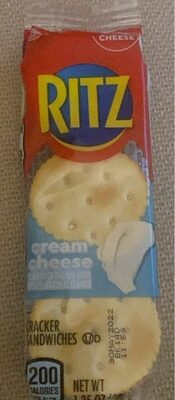 Nabisco Biscuit Company
Cream Cheese Flavored Filling Cracker Sandwiches, Cream Cheese,
526kcal
5.3Protein
31.6Fat
57.9Carbs
Nabisco Biscuit Company
Cream Cheese Flavored Filling Cracker Sandwiches, Cream Cheese,
526kcal
5.3Protein
31.6Fat
57.9Carbs
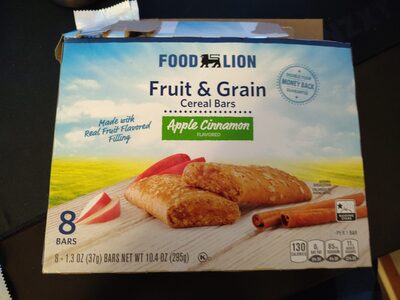 Food Town Stores Inc.
Apple Cinnamon Fruit & Grain Cereal Bars, Apple Cinnamon
High in added sugars — 22% DV per serving
351kcal
5.4Protein
8.1Fat
67.6Carbs
Taylor Fresh Foods, Inc.
Tuscan Grilled Chicken Caesar Salad
170kcal
14Protein
12Fat
5Carbs
Skyline Chili Inc.
Chili Spaghetti, Chili
High in sodium — 50% DV per serving
High in saturated fat — 20% DV per serving
High in cholesterol — 20% DV per serving
111kcal
8.9Protein
4.7Fat
7.7Carbs
Food Town Stores Inc.
Apple Cinnamon Fruit & Grain Cereal Bars, Apple Cinnamon
High in added sugars — 22% DV per serving
351kcal
5.4Protein
8.1Fat
67.6Carbs
Taylor Fresh Foods, Inc.
Tuscan Grilled Chicken Caesar Salad
170kcal
14Protein
12Fat
5Carbs
Skyline Chili Inc.
Chili Spaghetti, Chili
High in sodium — 50% DV per serving
High in saturated fat — 20% DV per serving
High in cholesterol — 20% DV per serving
111kcal
8.9Protein
4.7Fat
7.7Carbs
Learn more
Auto-generated content. This description was generated automatically and is pending editorial review. Inaccuracies are possible. Found a mistake? Contact us.